5 Ways Options Help You Trade More Effectively
7 days of option lessons delivered to your inbox
Show me more →Guaranteed Maximum Loss Strategies
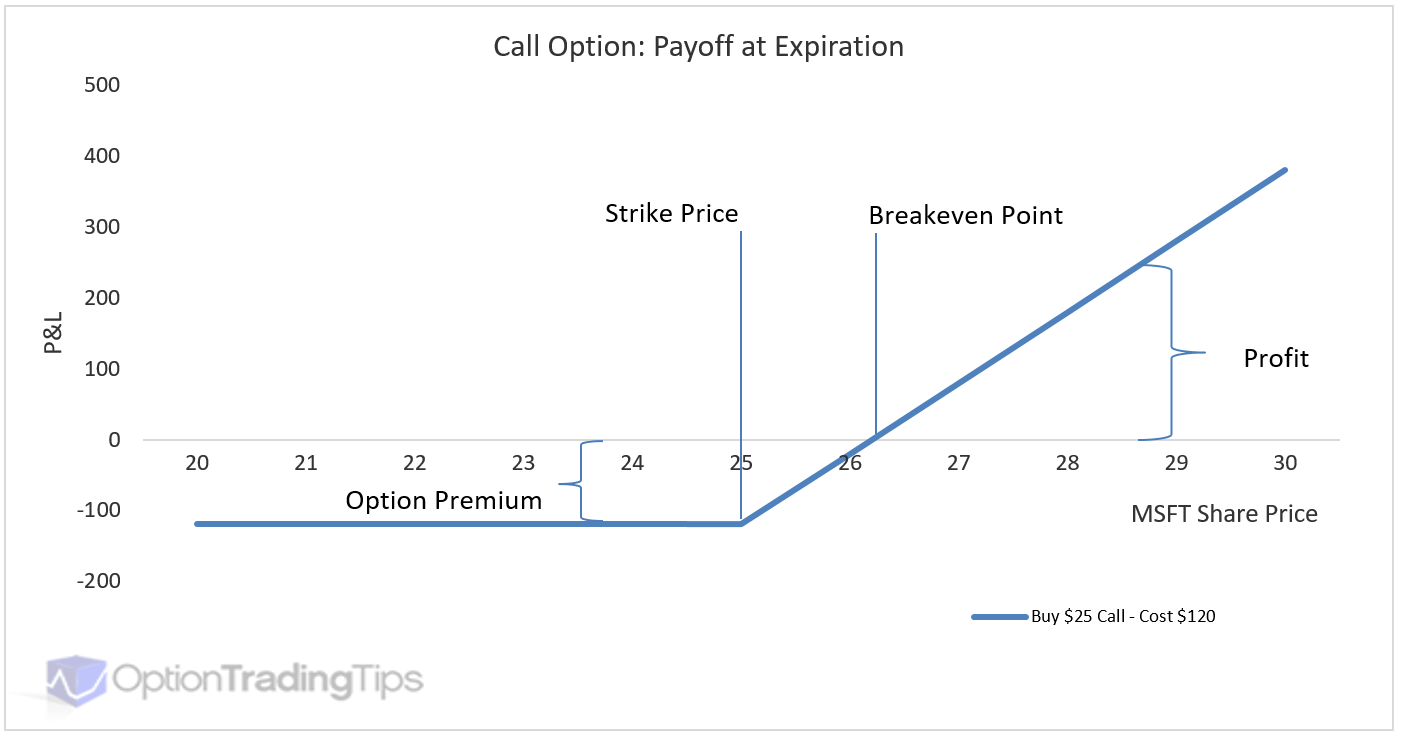
Unlike stocks, when you buy an option contract all you can lose is the upfront premium you paid for the position. It doesn't matter how far the market falls, your losses are guaranteed to be no more than your initial investment.
AND, if you're the buyer of an option you have limitless gains as the market moves in your direction, just like buying stocks.
Each Way Directional Strategies
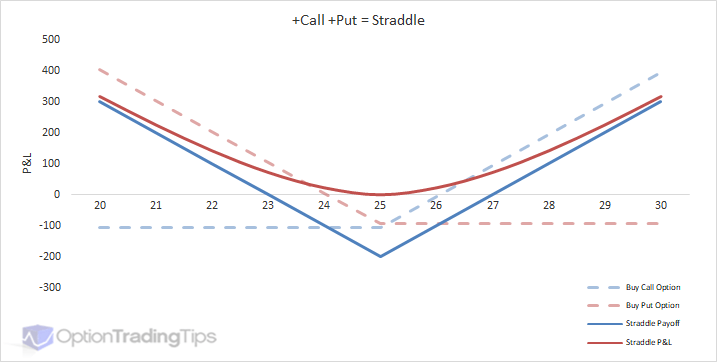
Not sure which way a stock is heading — just that it will make a large move up or down? Here is where you use options.
Combining a call and a put together means you profit from a movement in either direction.
Example strategies: Long Straddle and Long Strangle.
Profit When a Stock Goes Sideways
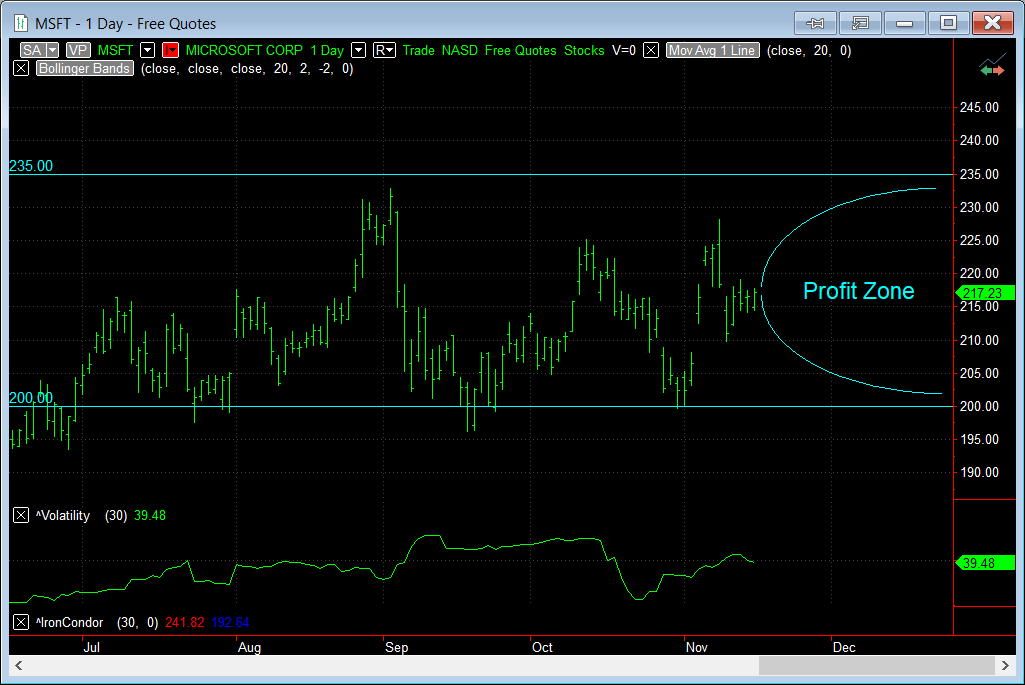
Imagine being able to make money if the stock does nothing!
This is a favourite strategy of those looking for regular monthly income — and the feature strategy used in the members area videos.
As long as the stock stays inside the strike levels, you're making money. Plus, you can set these up so that your losses are limited too.
Example strategies: Iron Condor and Double Calendar.
Get Paid for Limit Orders
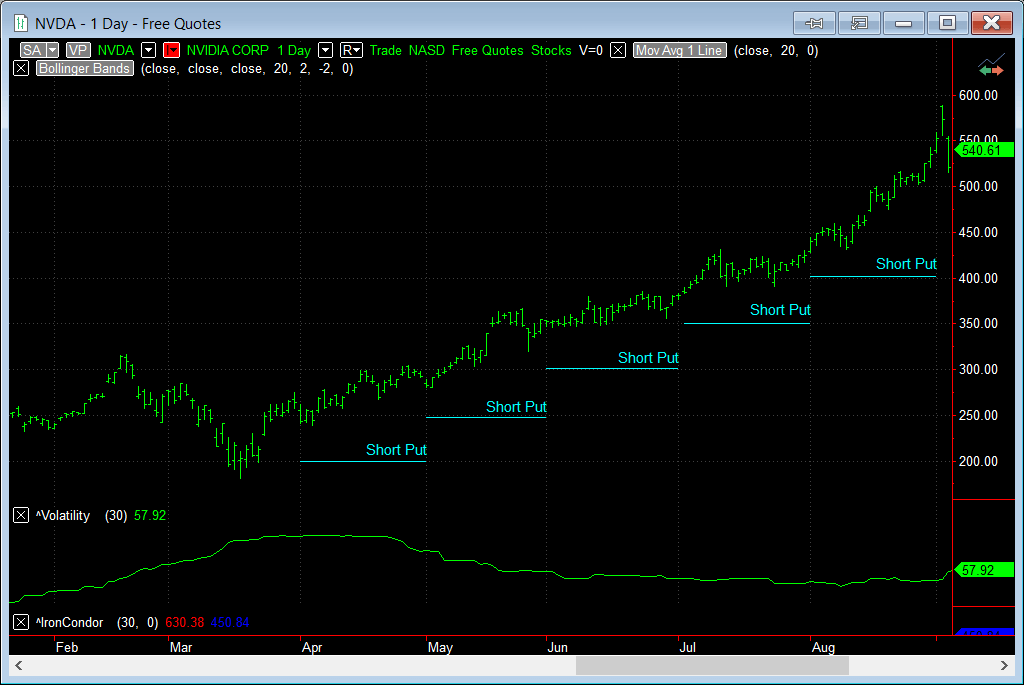
Stock price just a little high, yet you're still interested in buying? You can use options to get paid to place a limit order below the market.
A short put option does this. If the stock stays above your strike price your profit is the premium received. If it drops below, you buy the stock anyway.
You can keep repeating this over and over — keeping the premium each time and applying unused capital to other trades.
Watch and learn how to trade options profitably in our members area
Learn more →Popular Options 101 Articles
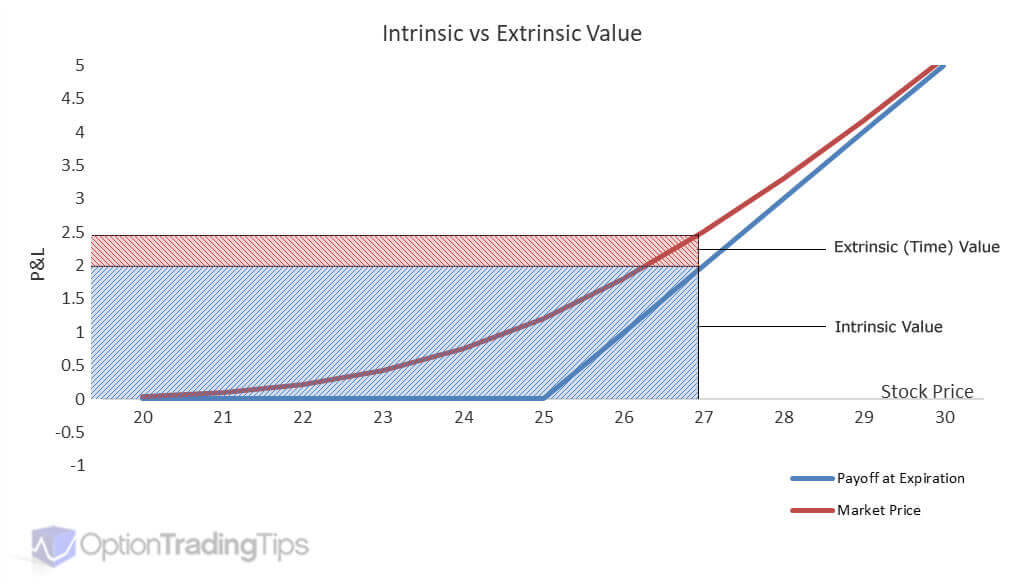
Option Premium
Understand the two components that make up an option price — intrinsic value and extrinsic value.
Read more →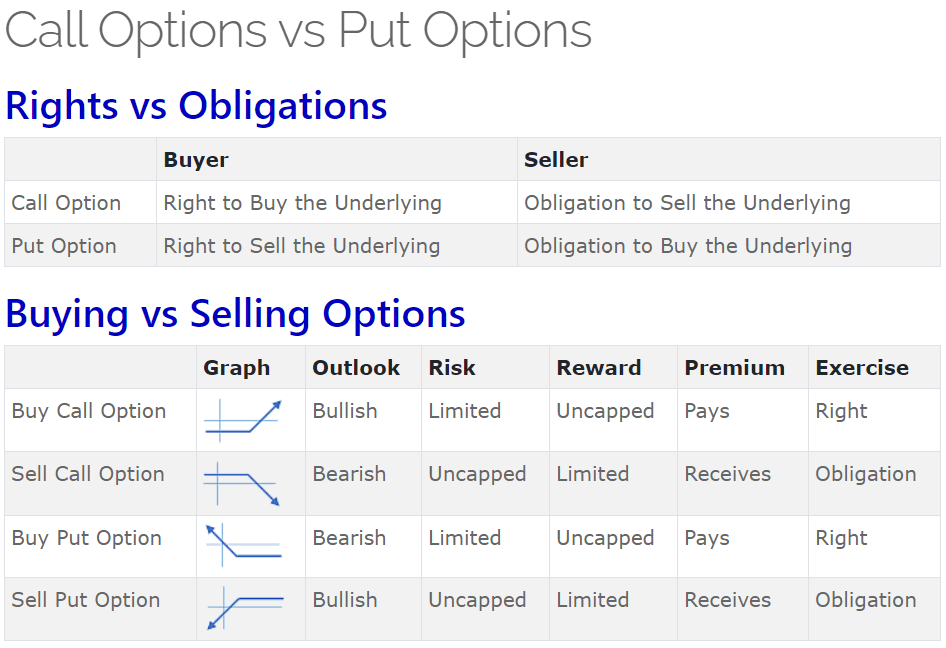
Calls vs Puts
Buy calls and profit when prices rise. Buy puts and profit when they fall. But what happens when you sell instead?
Read more →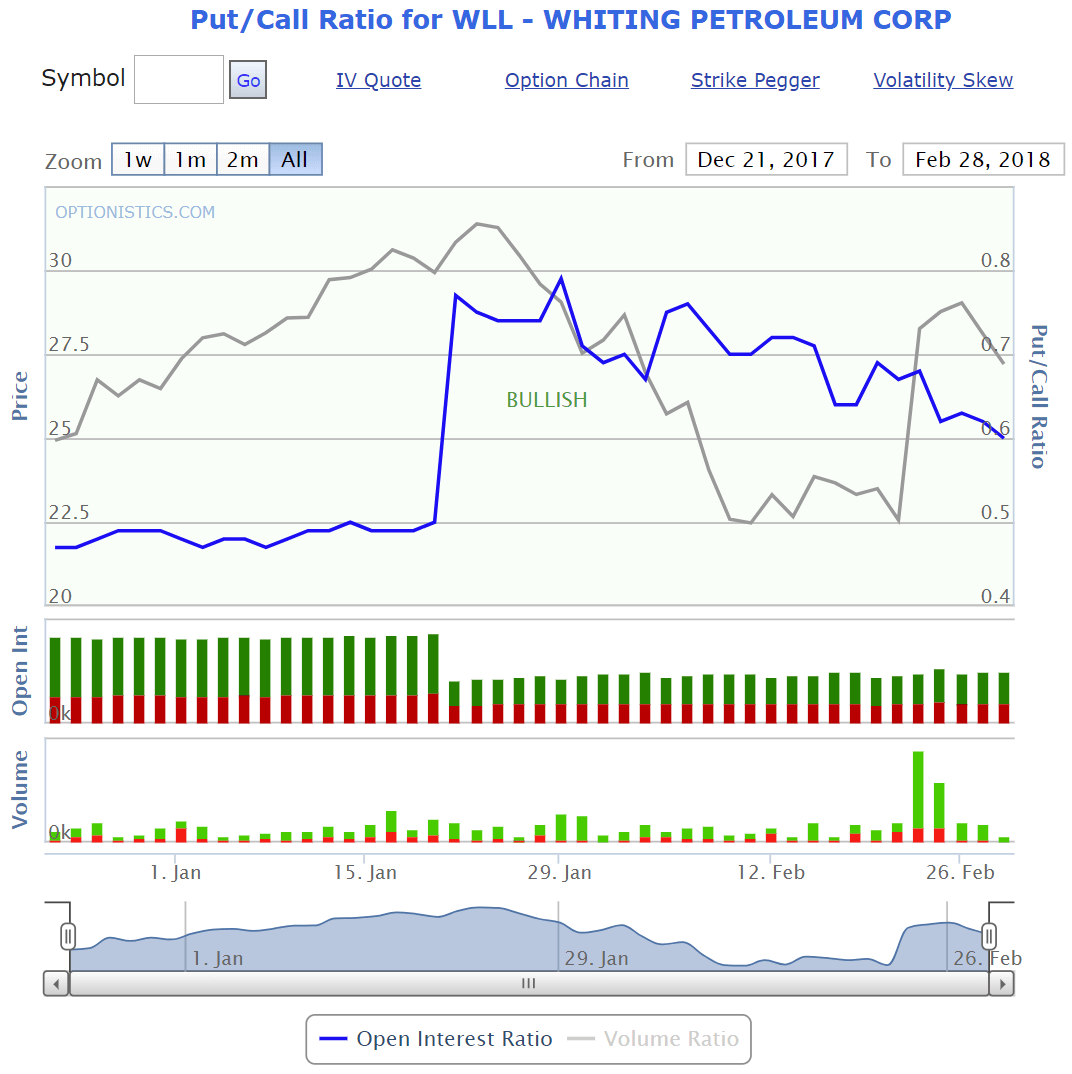
Put Call Ratio
Discover how option volumes can help you forecast the direction of the underlying stock.
Read more →
106 Comments
Peter April 7th, 2019 at 6:10pm
Hi, are you sure about the strike price in your example? 150 seems very low for the stock price you’ve used.
A covered call position still had downside risk if the stock price dives. Please see this payoff diagram:
Covered Call
As the stock price drops, the call you’ve sold becomes worthless and you keep the premium received. However, you still hold the stock, which will lose value as the price drops.
I’m not sure about your margin question, but I don’t think it matters. If the stock rallies and your call option is exercised, you will deliver the stock to the option buyer and the cash amount for selling the stock goes into your account. The borrowed amount would be repaid to the broker.
anon April 4th, 2019 at 6:53pm
Hi Admin/Peter, I am new to option trading and like to ask these questions:-
I will write cover call for ABC, which is trading at 1745,
I write 1 contract for strike at 150 for 26 premium
O1, once the cover call is sold I no longer have to worry which way up/down the ABC stock is moving right? Even, if ABC file chapter13.
Q2, ABC was bought with 30% margin. What actually will happen when the holder of my cover call option excercise the call. Do I have to pay 70% more cash to the trading firm to fully own ABC?
This is the best English,I can master and I hope you will understand my question. Thanks.
-anon
Peter January 15th, 2019 at 5:17pm
Hi Sal,
Yes, I will launch two video courses soon, which I will provide as a bundle. They have been prepared by two professional option traders.
Sal December 25th, 2018 at 1:05pm
Hello Peter,
Do you offer or plan to offer options trading courses?
Thanks
Peter September 1st, 2015 at 7:25pm
Hi Dave,
Sorry for the late reply here...I missed the notification of the comment.
1) The right strike to buy really depends on your view of the stock and how fast you think it might move. If you want to play it safe, you should buy the next strike down e.g. $13 if possible. However, if the stock is already dropping the premium paid might exceed what you received in selling the $14 strike. Either way, with this there is still no guarantee that you will not be assigned on the short $14 strike.
2) You can close out the transactions buy trading the opposite sides of both strikes e.g. if you sold the $14 strike, simply buy the $14 strike for 10 contracts to close it out. Then you will no longer have a position to be assigned on.
You cannot, however, have one strike cancel out the other as they are different strike prices. If you buy back the $14 strike you will no longer have any risk of being assigned a long stock position. If you bought the $13 strike then it is you that has the "right" to exercise or not, so no unexpected risk there either.
Let me know if it's not clear.
Dave August 27th, 2015 at 7:23pm
I have sold a naked put option for 10 contracts. The Strike price is $14. The stock is at $16.89. I want to protect against it dropping through the Strike price and having a margin call or being assigned. I understand that I can protect against that by buying a put on the stock.
1) I understand that I need to buy a put that is for the number of contracts I sold - 10 and that I should not pay more than my sale price. Otherwise what do I consider in picking the right put to buy?
2) Lets assume that after I buy my put, the price drops below $14. How do I close out these transactions? How do I get my obligation to buy the stock cancelled? In other words, how do I get the one stock option to cancel out the other?
Dave
Peter June 30th, 2014 at 7:47pm
Hi Nathan,
Deep in the money call options will have a delta of 1, meaning that the price of the option will move 1 to 1 with the price of the stock. So instead of thinking that you are long 10 calls think of your position as being long 1,000 shares @ $70.
With 1,000 shares I would look to a covered call and lock in gains on the total position by selling 10 of the $85 calls.
Nathan June 30th, 2014 at 1:51pm
I purchased an in the money call option that is now deep in the money. I want to lock in my gains. The options expire in Sept.
I am not getting much time premium. The option is for 70 and the stock is trading at 83. I am only being offered 13.30. The premium seems low but that is not my question.
I own 10 contracts. What do you think about locking in gains by selling a July 85 for 1.50 for 5 of my contracts?
What is another play that I can do with these in the money options?
Nathan
Faisal June 27th, 2014 at 2:49am
Dear Sir,
I am trading in Indian market my doubt is follows
I have a query on Option delta.
I was checking delta for OTM Put and call option strikes. Then I have observed that on puts, strikes are nearer compared to Call strikes with same delta.( this is 60 days away from expiry)
I.e. When Nifty ( market )at 7580, 8200 CE delta is .21 and 7300 PE delta is -.21.
But the difference from 7580 to 8200 is 619 and from 7580 to 7300 is 280.
Why this much difference is in price distance.
Thanking you in advance.
Regards,
Faisal
Anu April 7th, 2014 at 12:35am
Hi Peter Sir,
I am new in option (Intra day) trading..Please tell me how to use the option trading calculator (Intra day trading) and how i get the information about "how much call/put it gives today?" means how much points market gives call or put.
If you have another strategy then please tell me..
Thank you,
Anu (India).
Add a Comment