5 Ways Options Help You Trade More Effectively
7 days of option lessons delivered to your inbox
Show me more →Guaranteed Maximum Loss Strategies
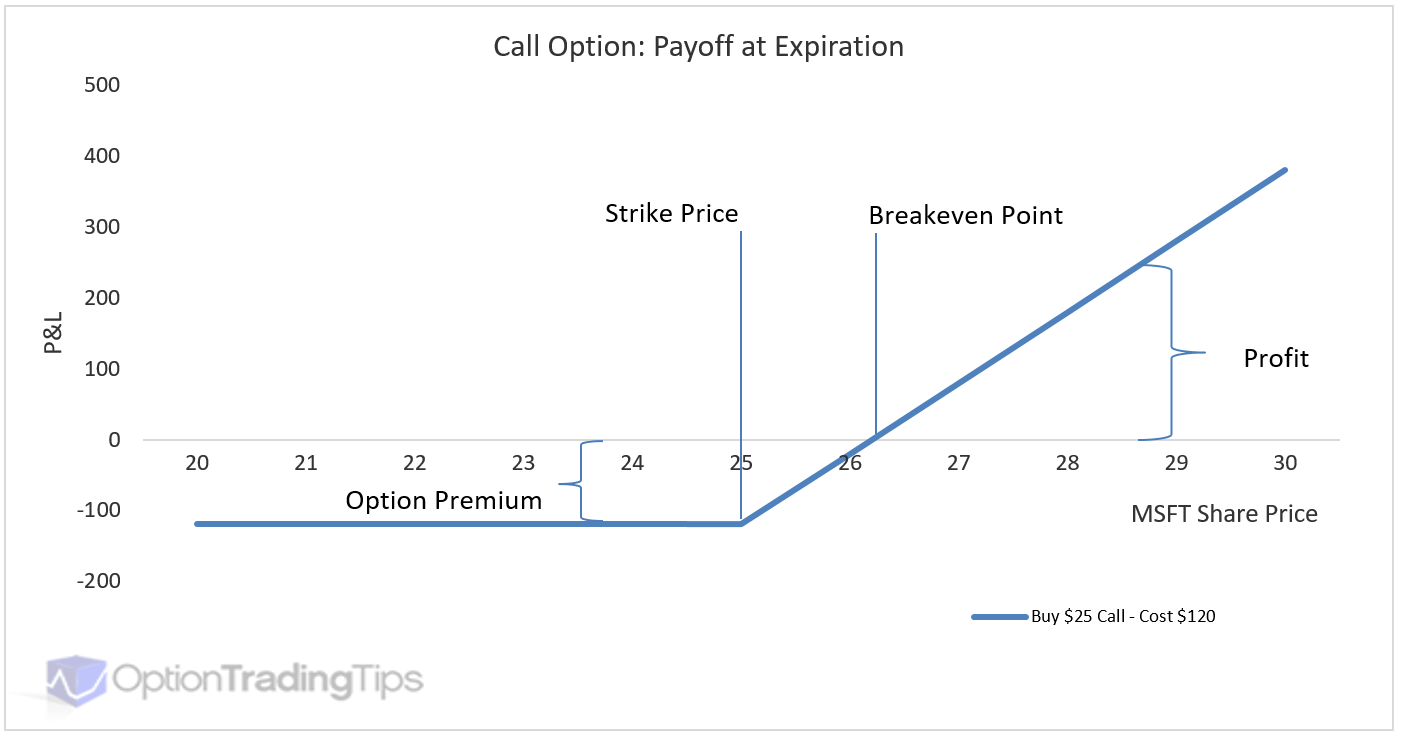
Unlike stocks, when you buy an option contract all you can lose is the upfront premium you paid for the position. It doesn't matter how far the market falls, your losses are guaranteed to be no more than your initial investment.
AND, if you're the buyer of an option you have limitless gains as the market moves in your direction, just like buying stocks.
Each Way Directional Strategies
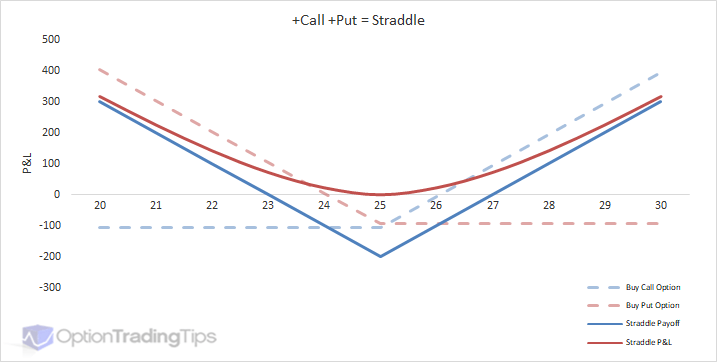
Not sure which way a stock is heading — just that it will make a large move up or down? Here is where you use options.
Combining a call and a put together means you profit from a movement in either direction.
Example strategies: Long Straddle and Long Strangle.
Profit When a Stock Goes Sideways
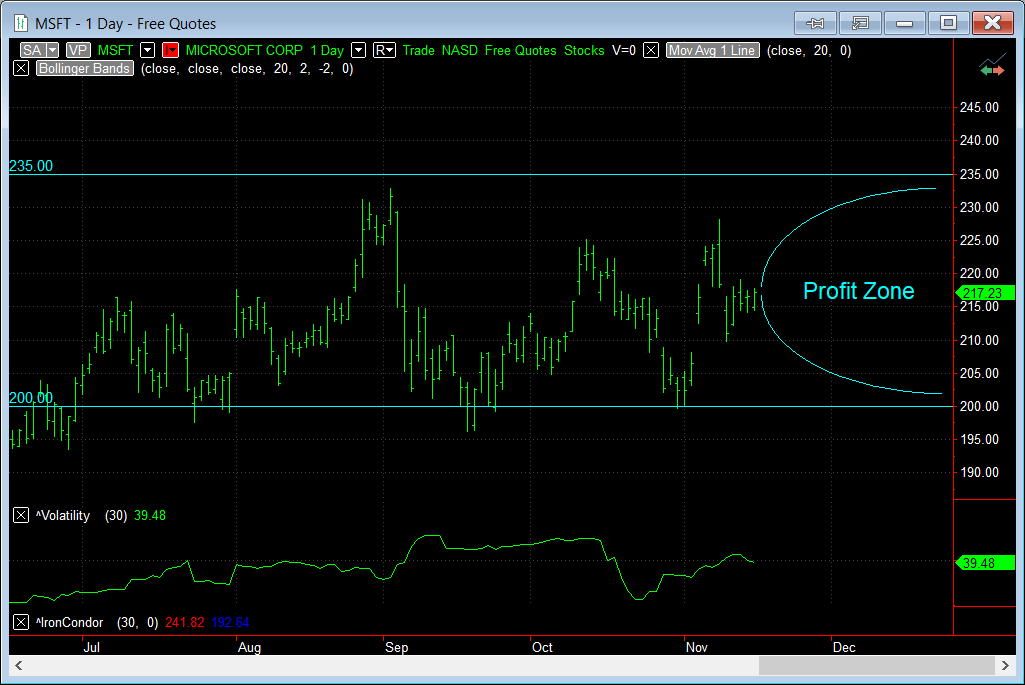
Imagine being able to make money if the stock does nothing!
This is a favourite strategy of those looking for regular monthly income — and the feature strategy used in the members area videos.
As long as the stock stays inside the strike levels, you're making money. Plus, you can set these up so that your losses are limited too.
Example strategies: Iron Condor and Double Calendar.
Get Paid for Limit Orders
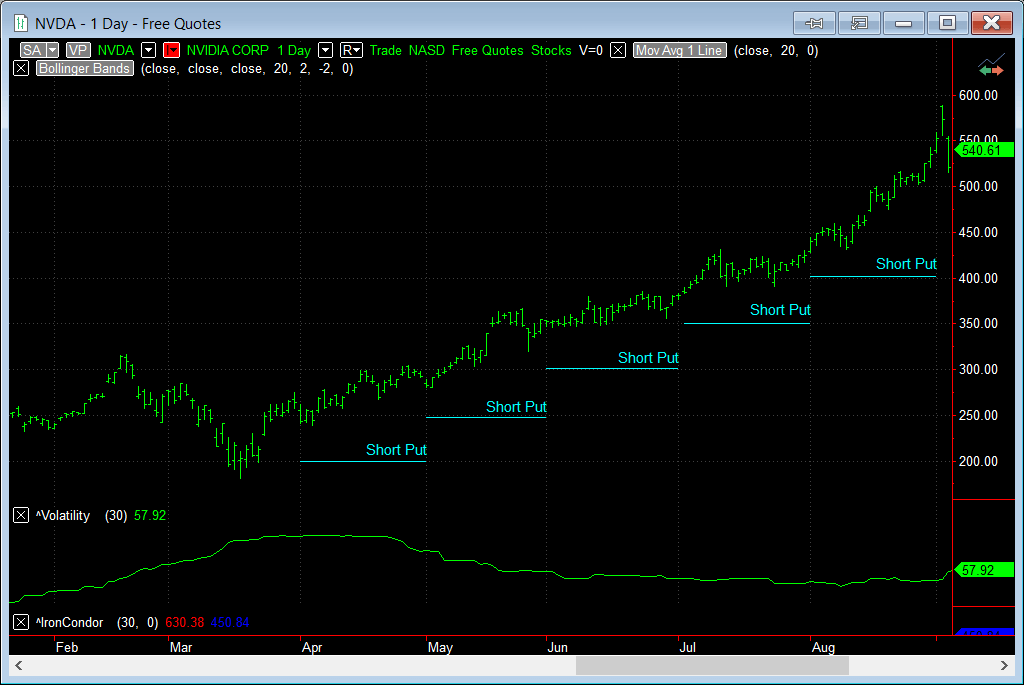
Stock price just a little high, yet you're still interested in buying? You can use options to get paid to place a limit order below the market.
A short put option does this. If the stock stays above your strike price your profit is the premium received. If it drops below, you buy the stock anyway.
You can keep repeating this over and over — keeping the premium each time and applying unused capital to other trades.
Watch and learn how to trade options profitably in our members area
Learn more →Popular Options 101 Articles
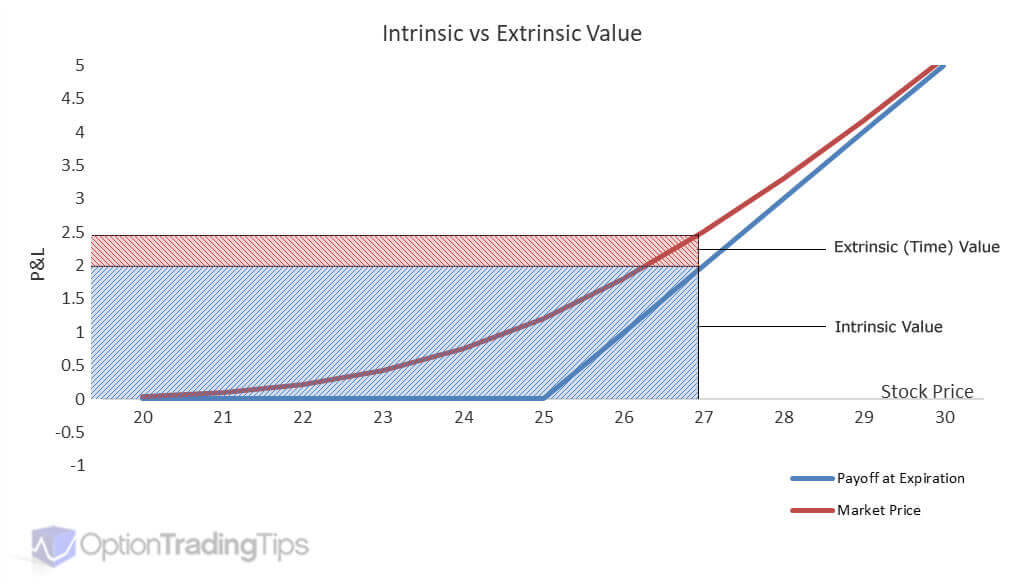
Option Premium
Understand the two components that make up an option price — intrinsic value and extrinsic value.
Read more →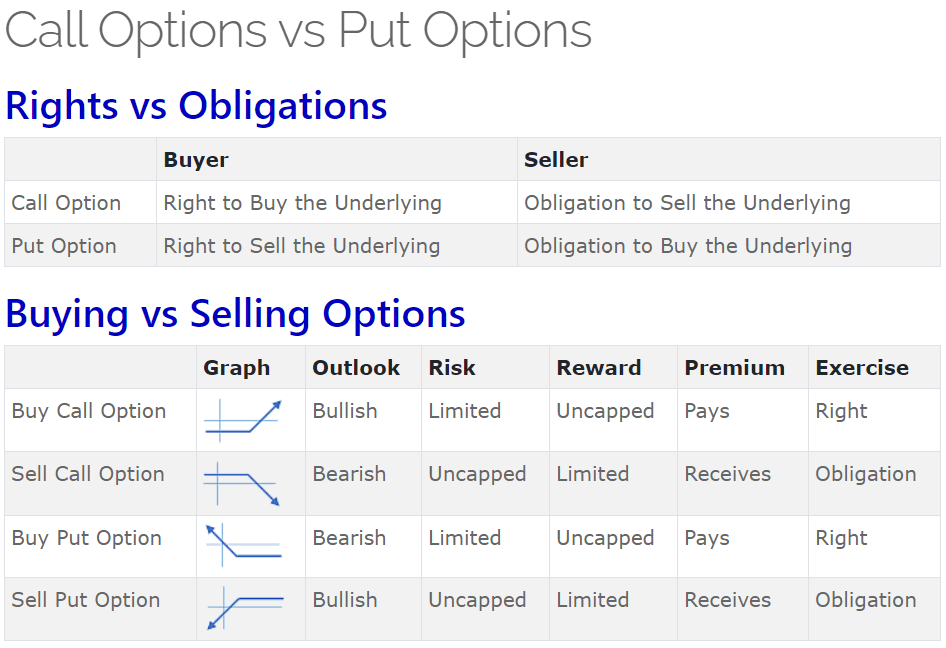
Calls vs Puts
Buy calls and profit when prices rise. Buy puts and profit when they fall. But what happens when you sell instead?
Read more →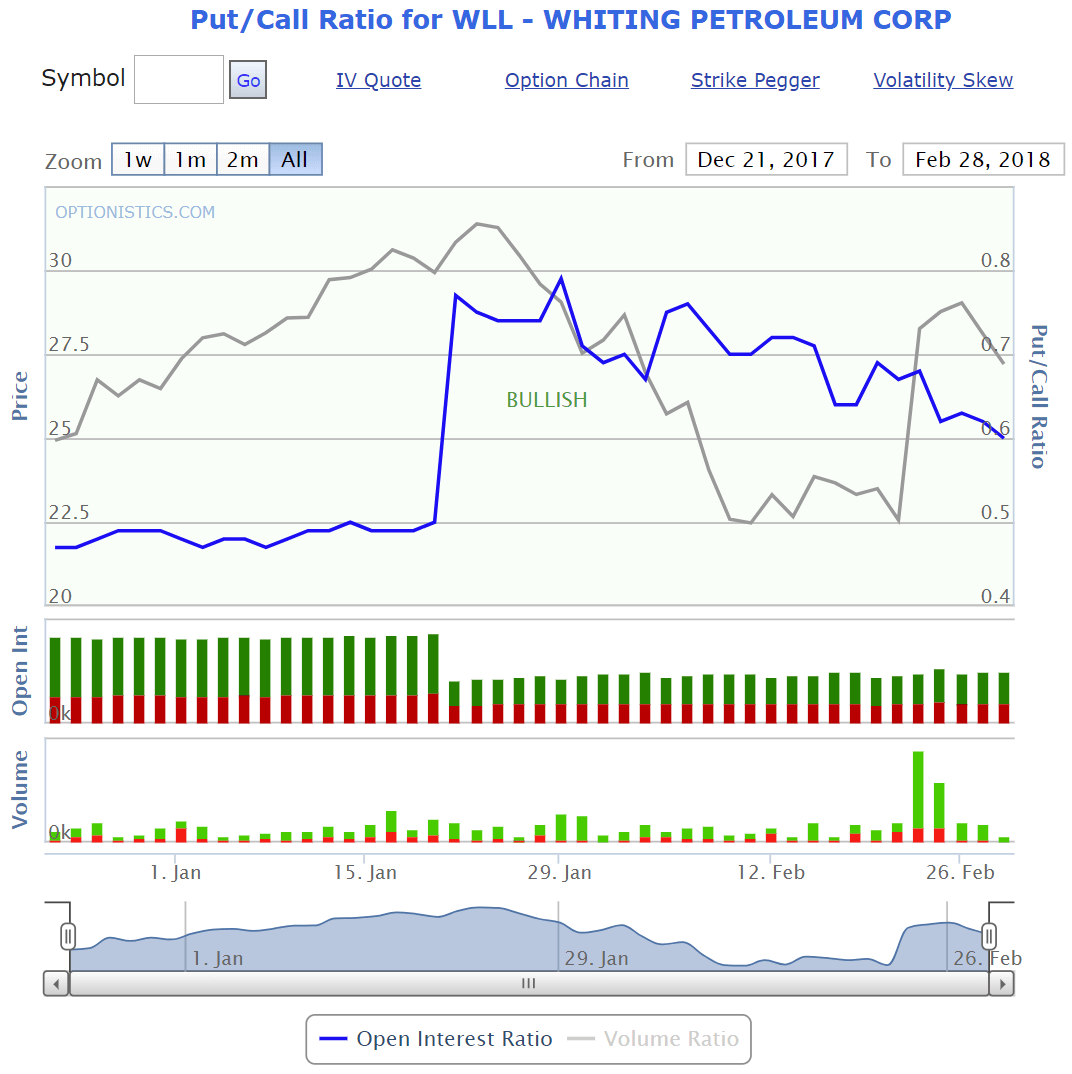
Put Call Ratio
Discover how option volumes can help you forecast the direction of the underlying stock.
Read more →
106 Comments
Peter March 25th, 2013 at 9:35pm
Hi OptionRookie,
I think you've mistaken calls and puts here...if you are short a put and are assigned you buy the stock, not sell it.
So at expiration if you are assigned you will by long 2,000 shares at an average price of $4.93.
Unless I misunderstood your post?
OptionRookie March 22nd, 2013 at 2:17pm
Hello Peter
I have another senario for you if you don't mind. I have 1000 Nok shares. My average cost is $3.86. I'm thinking about writing 10 covered puts for $6 strike May13 $2.65 premium. I almost forget, Nok doesn't pay dividends anymore. Right off the bat, I collect $2650 of premium. Let's say at expiration I get assign. So I sell 1000 shares @ $6/share which yields $6000. The grand total I would collect is $8650 ($2650 premium + $6000 sell of stock).
So my final net profit would be $4790 ($8650 profit - $3860 cost). I'm leaving commission out for ease of discussion. But wait, it only costs me an average of $3860 for 1000 shares.
What's the catch here? Are my calculations correct or I'm whipping up a fantasy strategy? Why are many investors go this route if it's so profitable?
Thanks again and have a nice weekend.
Nick March 21st, 2013 at 9:58am
Thanks Peter. I really appreciate the explanation and the spreadsheet is great. Just what I needed.
Peter March 14th, 2013 at 9:46pm
If you are short (naked) the call and it expires worthless (stock below the strike) then there is no action to take - the premium received when you sold it is your profit.
However, if the stock is above the strike price at expiration then you will be "called" upon by the buyer of the option who will exercise his/her right to buy the stock at $3.5. You will then have to provide 100 shares of Nokia to the buyer at $3.5 a share. If you don't own the stock then your broker may borrow stock on your behalf to sell to the buyer. You will then have a "short" position in the stock until you buy back the stock to cover (while paying interest on the borrowed stock).
Also, if the options are American style then you may be "called" before the option's expiration date to sell the stock at the strike price.
OptionRookie March 13th, 2013 at 2:52pm
Peter,
I'm currently selling 10 Nok 3.5 strike Arp13 call. Do I have to do anything to close it out or just leave it there until it expires?
As always, thanks for your expertise.
Cheers.
Peter March 8th, 2013 at 4:20pm
Nope - you can buy to open the same contract in the same month straight away. The same as if you were trading a stock; you can buy to open, sell to close and repeat as much as you want - or until you run out of funds ;-)
OptionsRookie March 8th, 2013 at 11:04am
So if I sell to close a contract and made a profit, do I have to wait one calendar month if I want to purchase the same contract again?
Thanks again.
Peter March 8th, 2013 at 12:17am
Yep - a wash sale can apply to any financial security.
OptionRookie March 7th, 2013 at 1:55pm
Hello Peter,
Quick question for you. Does the wash sale apply to options?
Thanks.
Peter November 4th, 2012 at 4:07pm
Hi Bill,
I'm not familiar with TradersHelpDesk - what does their strategy involve? I understand you can't give too much away but a basic overview would help.
Add a Comment