Option Strategies
Combine calls and puts to construct specific price outcomes. Option strategies give you the flexibility to profit from rising, falling and directionless markets.
Bullish strategies
Profit from a Rising Market
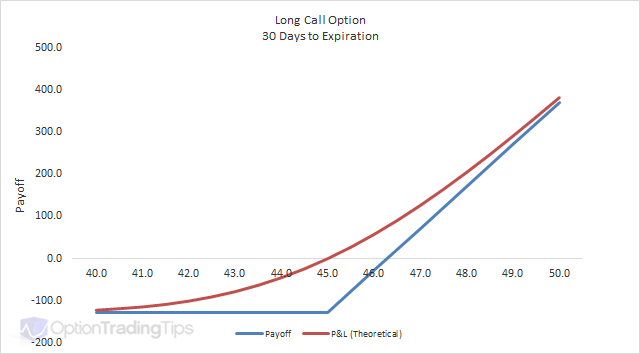
Long Call Option →
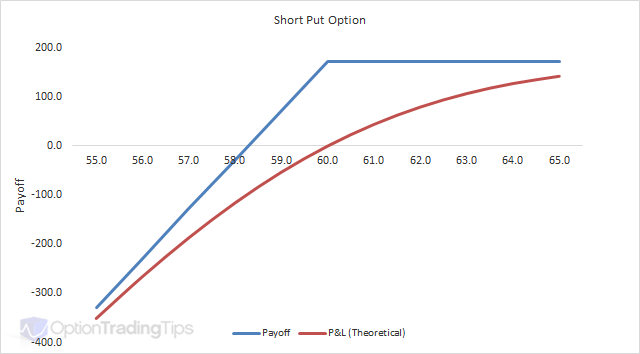
Short Put Option →
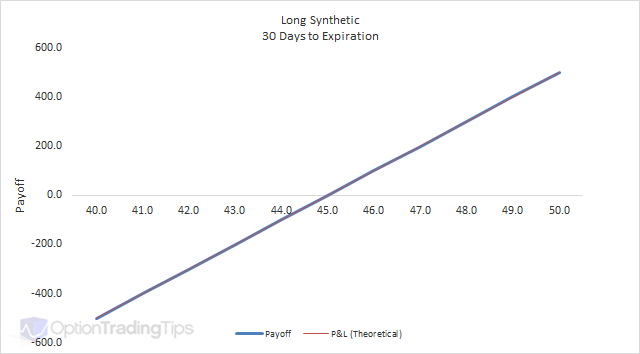
Long Synthetic →
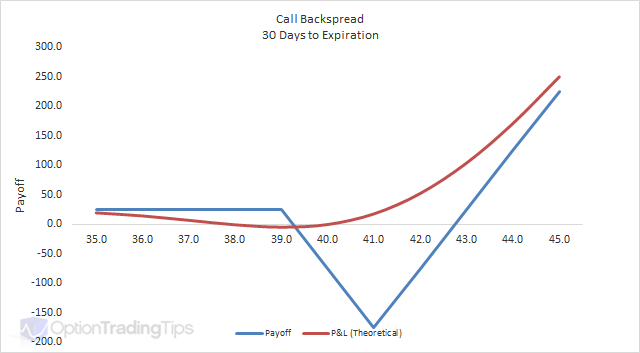
Call Backspread →
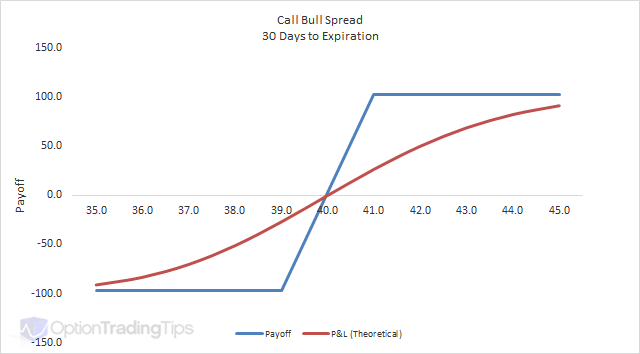
Call Bull Spread →
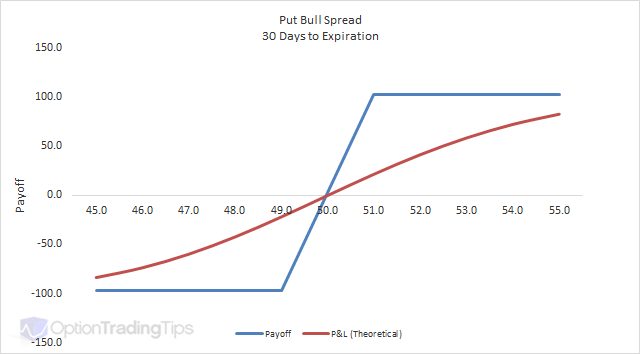
Put Bull Spread →
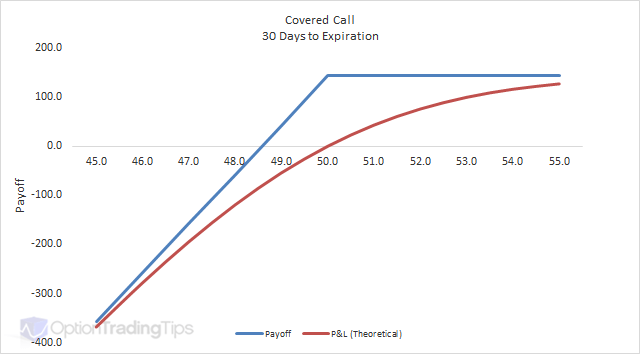
Covered Call →
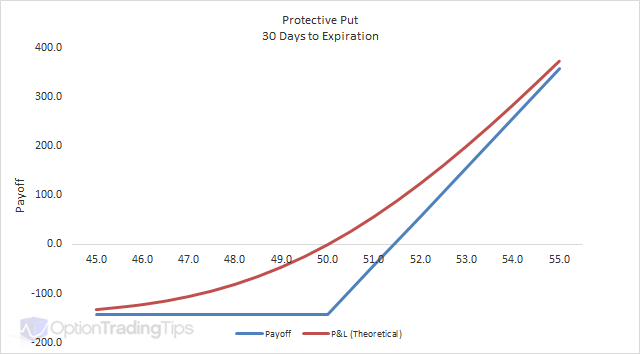
Protective Put →
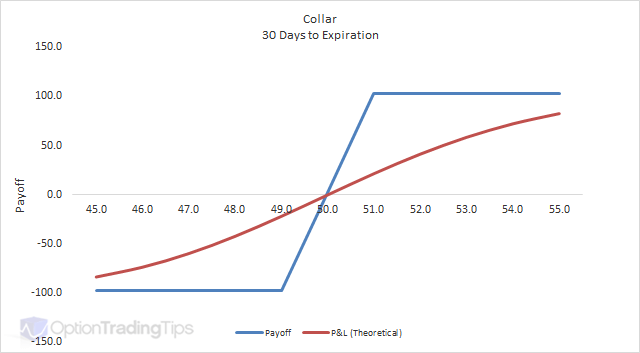
Collar →
Bearish strategies
Profit from a Falling Market
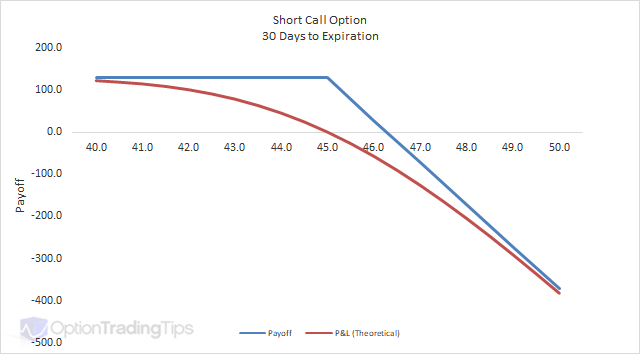
Short Call Option →
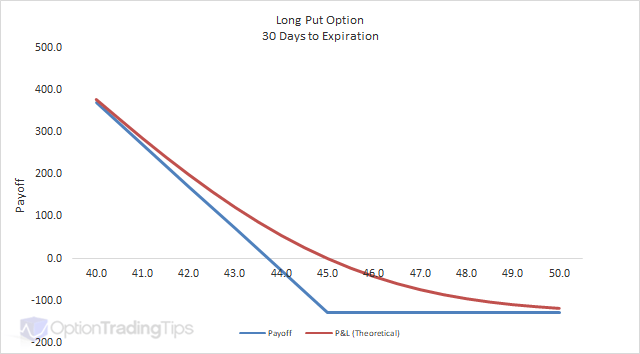
Long Put Option →
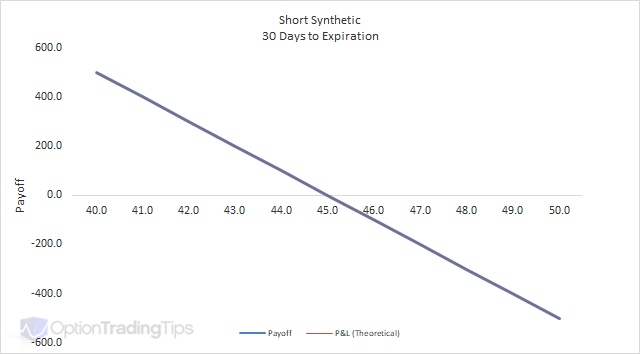
Short Synthetic →
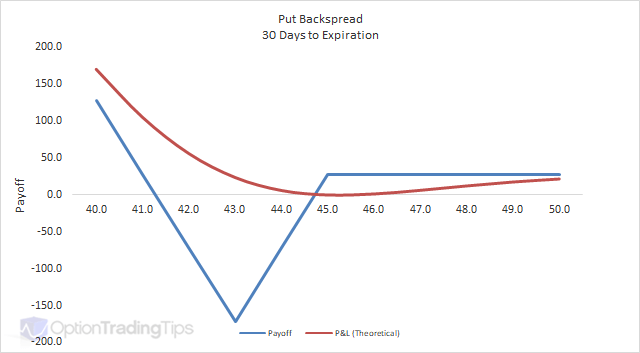
Put Backspread →
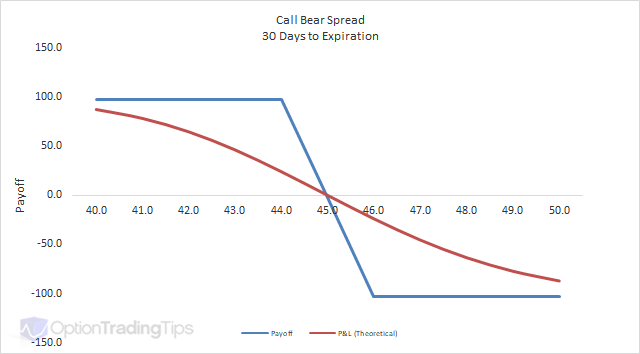
Call Bear Spread →
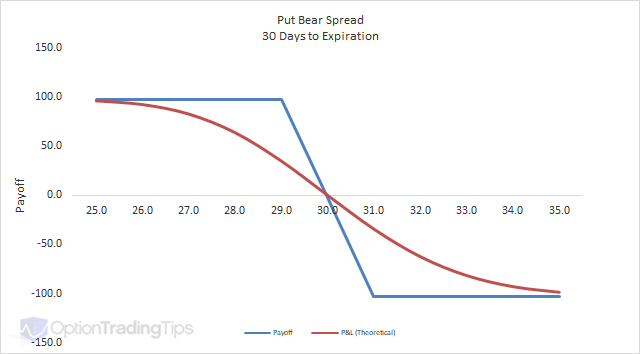
Put Bear Spread →
Market neutral strategies
Profit in a Sideways Market
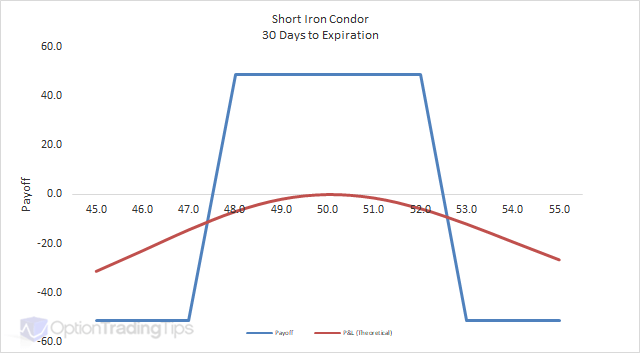
Iron Condor →
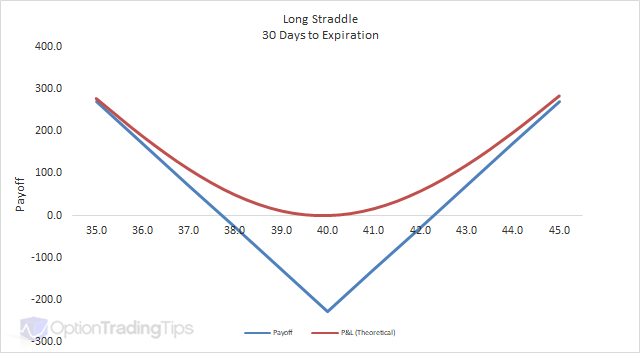
Long Straddle →
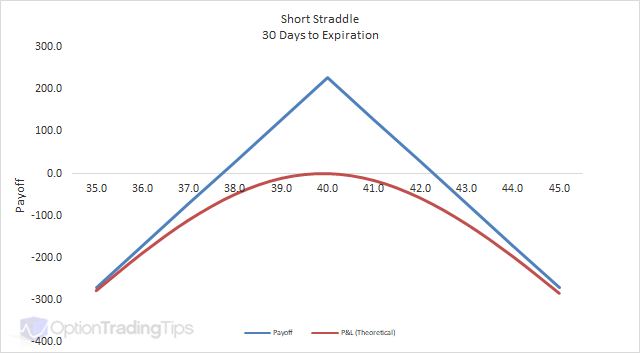
Short Straddle →
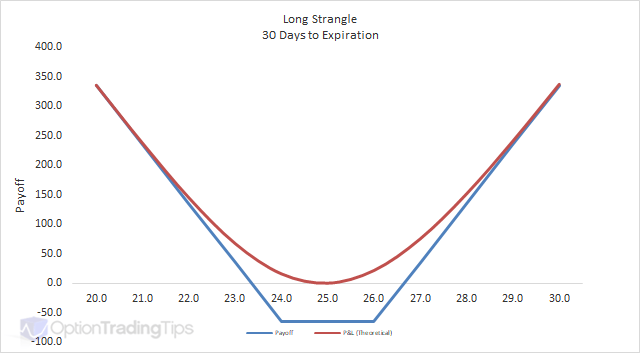
Long Strangle →
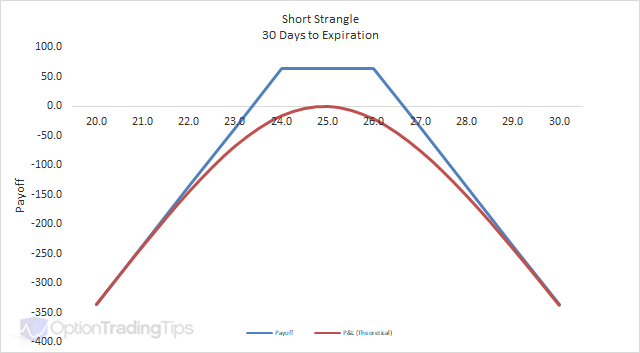
Short Strangle →
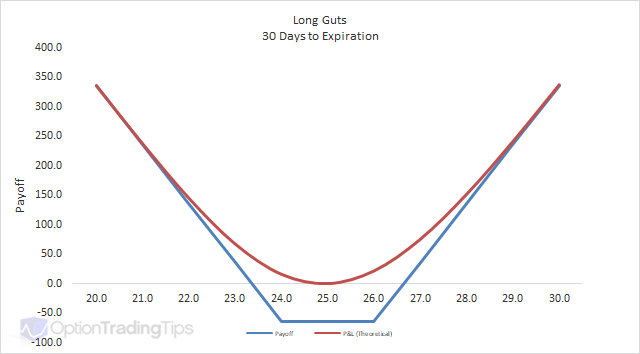
Long Guts →
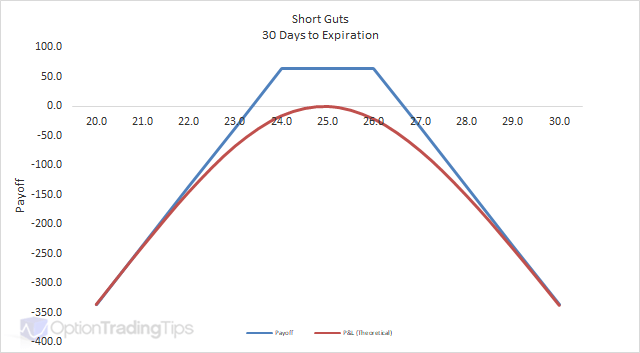
Short Guts →
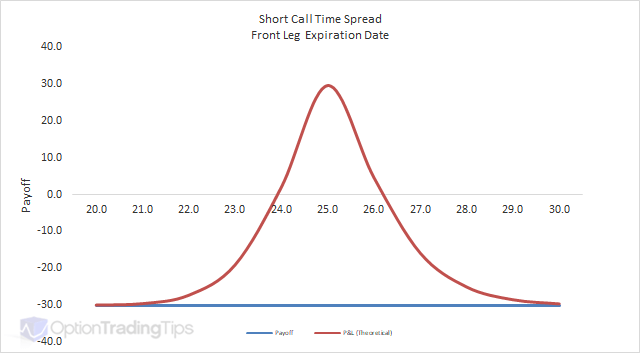
Call Time Spread →
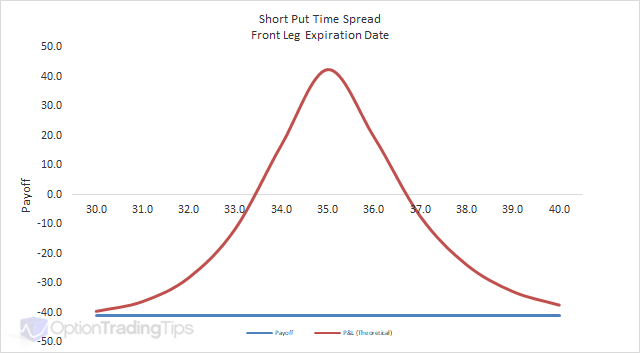
Put Time Spread →
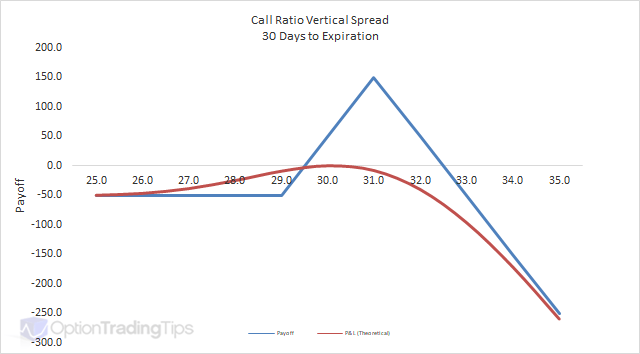
Call Ratio Vertical Spread →
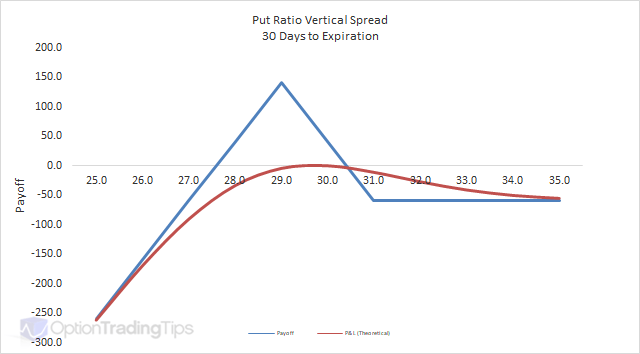
Put Ratio Vertical Spread →
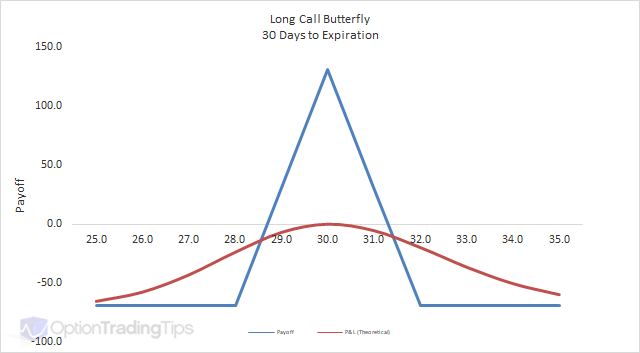
Long Call Butterfly →
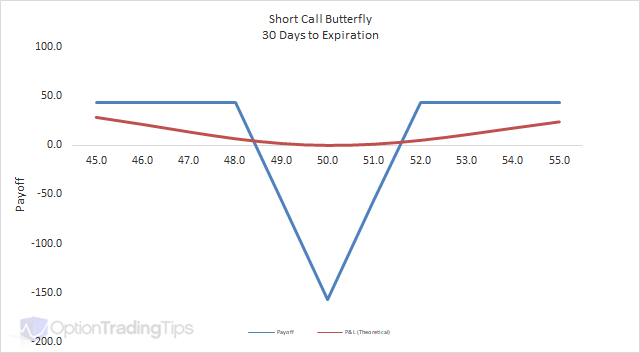
Short Call Butterfly →
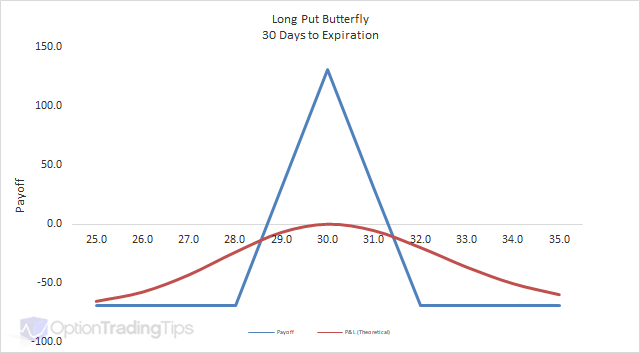
Long Put Butterfly →
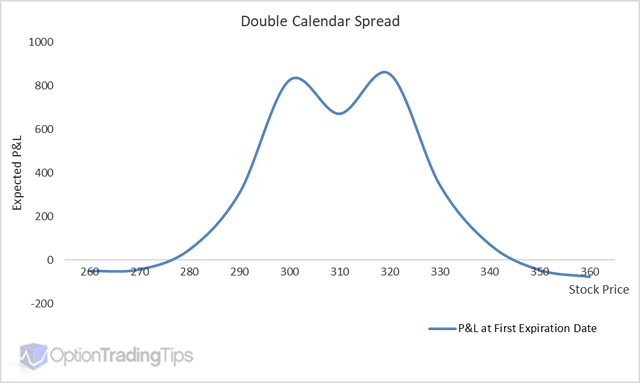
Double Calendar →
About Option Strategies
Generally, an option strategy involves the simultaneous purchase and/or sale of different option contracts, also known as an option combination. There is such a wide variety of option strategies that use multiple legs as their structure, however, even a one legged Long Call Option can be viewed as an option strategy.
But what if you bought a call and a put option at the same strike price in the same expiry month? How could a trader profit from such a scenario? This is called a Long Straddle — one of the most popular market neutral strategies.
In this example, imagine you bought 1 $40 July call option and also bought 1 $40 July put option. With the underlying trading at $40, the call costs $1.14 and the put costs $1.14 also — a total outlay of $228, which is your maximum loss.
If the market rallies, the call option becomes increasingly profitable while the put expires worthless. If the market sells off, the put becomes profitable while the call expires worthless. Either way, as long as the move is large enough to exceed the $228 cost, you profit.
This is just one example of an option combination. There are many different ways to combine option contracts together — and also with the underlying asset — to customise your risk/reward profile.
For further analysis tools, take a look at the Volcone Analyzer — it analyses any option contract and compares it against historical averages, helping you decide whether to buy or sell.
105 Comments
raju jee August 25th, 2010 at 9:59pm
hi.. jst go thru ths site and m stant abut knowing option stategy. plz teach me more and CONGRAT 4 ur valuable meteriel.
Peter August 18th, 2010 at 6:57pm
Hi Dale, HPQ is currently at 41.36 so your put options are ITM for the buyer, which means you're looking at being exercised and taking delivery of the stock at $45.
With expiration tomorrow your put has a delta of -1, which means you're effectively long the stock now.
(use Option-Price.com for Greeks)
What you do now depends on your view of HPQ. By selling a put, I would say that you must have been somewhat bullish in the first place to be prepared to hold the stock at $45...although HPQ has take a sharp dive lately, maybe your view has changed. If that's the case you could sell out of the puts tomorrow and cut your losses on this trade.
Or, if you want to continue holding the stock, then why not have a look at writing some September $43 calls? You will limit your gains if the stock gets there but will have the immediate gain of income from the premium received.
Dale Brooks August 18th, 2010 at 6:00pm
I am short the hpq jan 12 45 put, what is a good stategy to limit my risk on the down side ? Should I go long the same put at the same strike ? Thank you Dale
Peter August 14th, 2010 at 4:00pm
Hi Amit, Options University used to do this kind of training, you might want to check them out. Or, the Members Area here has a bunch of video training material of live option trading.
Amit Sharma August 14th, 2010 at 2:06pm
Want to learn Option Strategy with prctical Knowledge Contact : 9818759927, 9211663645
Peter August 14th, 2010 at 6:28am
You could try Options University
shamsul idrisi August 13th, 2010 at 12:27pm
i want to learn option trading please suggest me some good training center
Peter August 6th, 2010 at 2:00am
Interesting...do you know of a good place to source the put/call ratio numbers?
Brad August 6th, 2010 at 12:44am
I think that the best overbought oversold indicator and a reversal signal is when lets say a stock is in an up trend than for a couple of days in bound-range.
the signal comes with a sudden PUT/CALL ratio change with a significant volume
AUMKAR August 3rd, 2010 at 1:21pm
What will be happen if the NIFTY STRAIT go 100+
Add a Comment