Option Strategies
Combine calls and puts to construct specific price outcomes. Option strategies give you the flexibility to profit from rising, falling and directionless markets.
Bullish strategies
Profit from a Rising Market
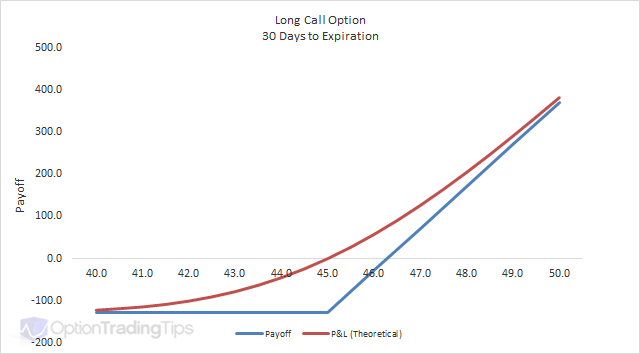
Long Call Option →
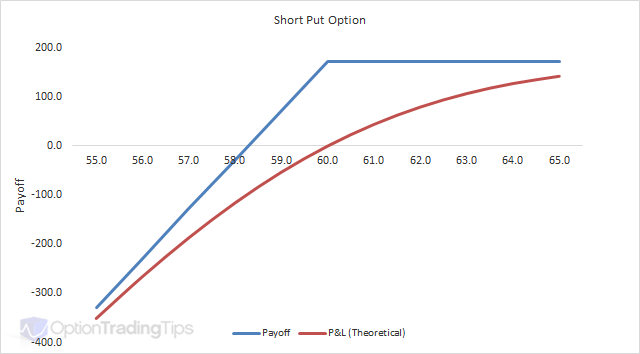
Short Put Option →
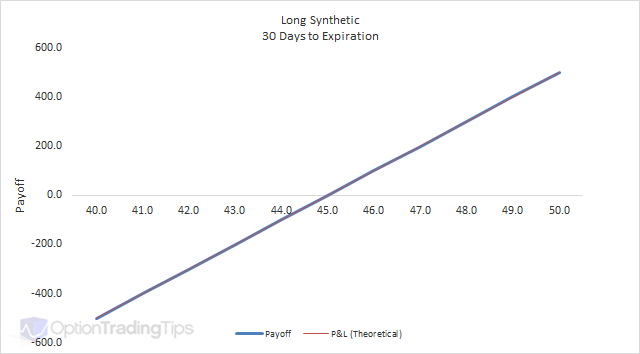
Long Synthetic →
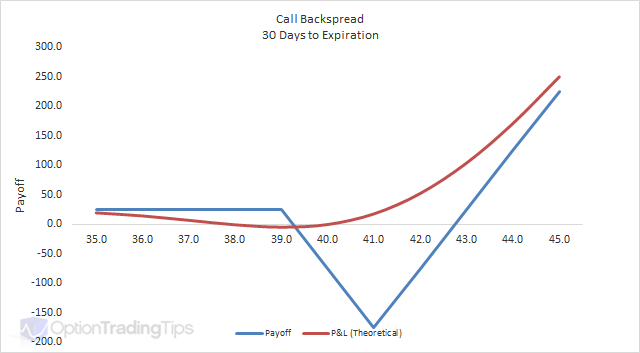
Call Backspread →
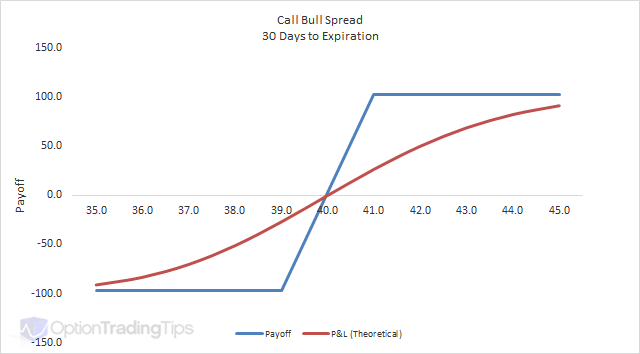
Call Bull Spread →
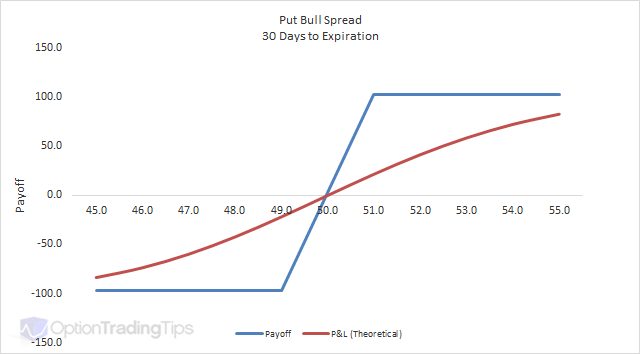
Put Bull Spread →
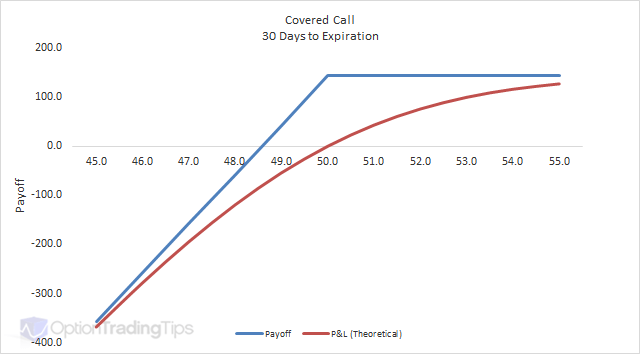
Covered Call →
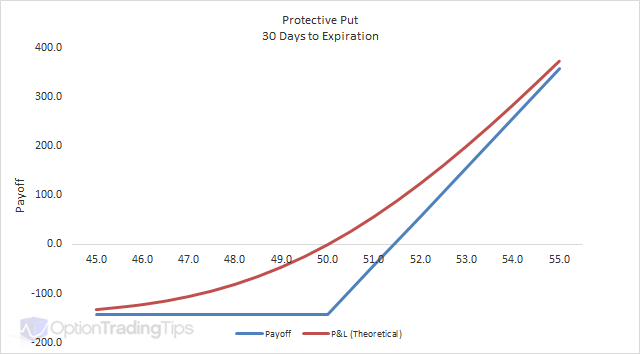
Protective Put →
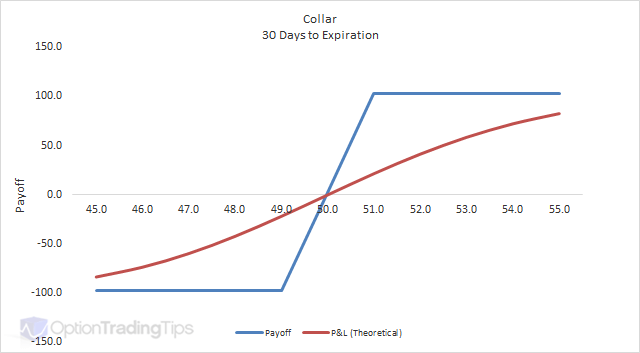
Collar →
Bearish strategies
Profit from a Falling Market
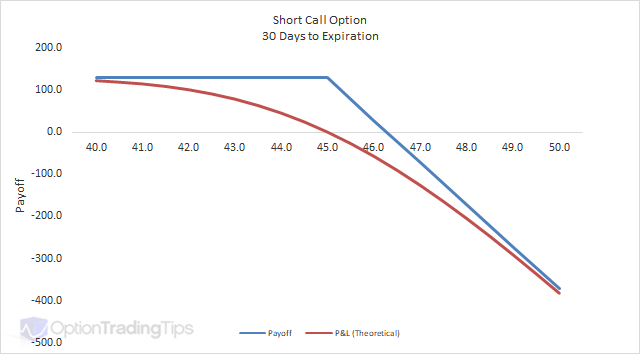
Short Call Option →
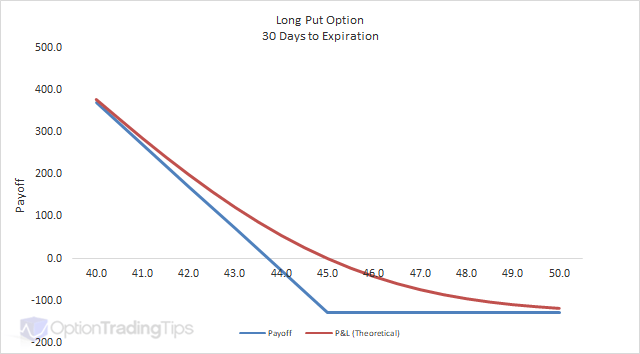
Long Put Option →
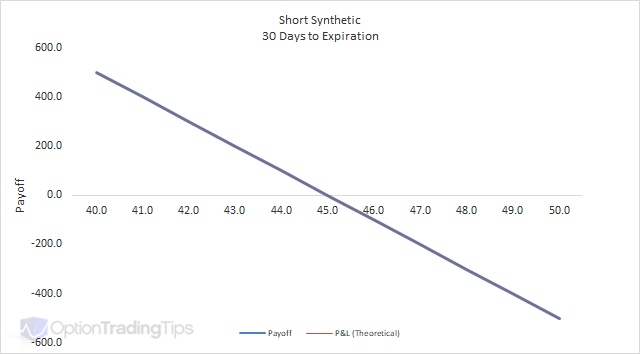
Short Synthetic →
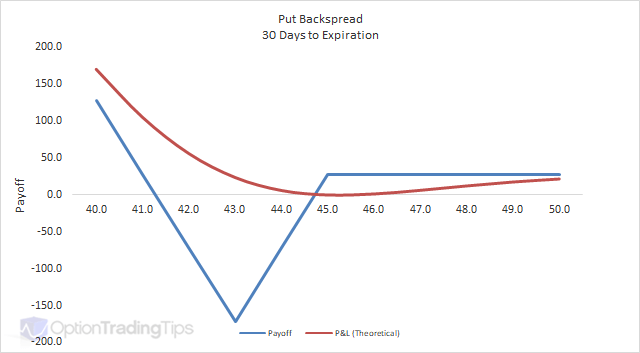
Put Backspread →
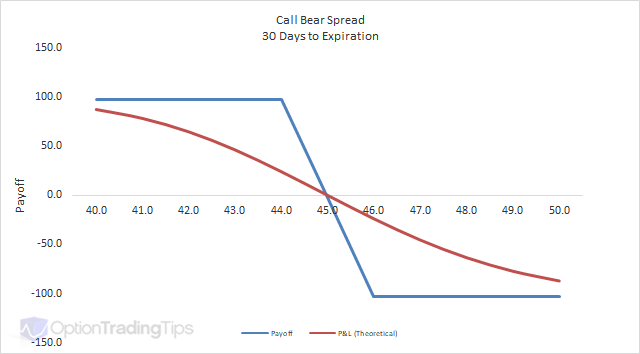
Call Bear Spread →
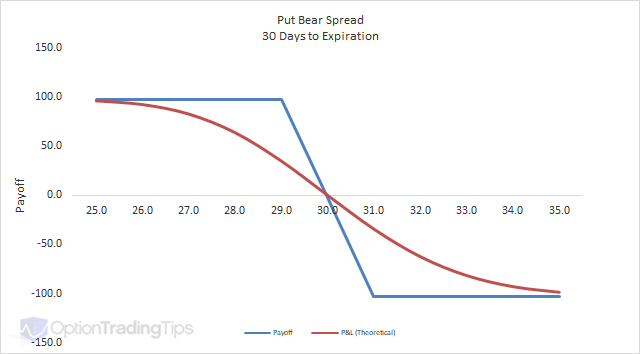
Put Bear Spread →
Market neutral strategies
Profit in a Sideways Market
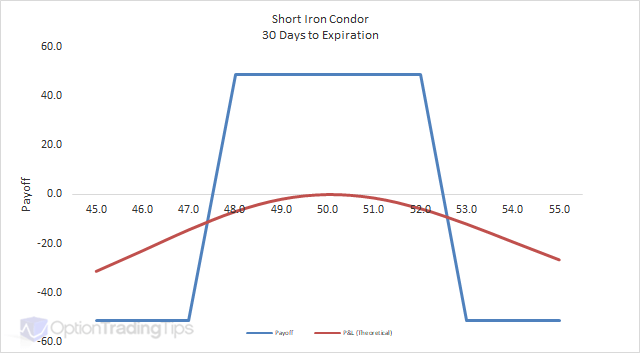
Iron Condor →
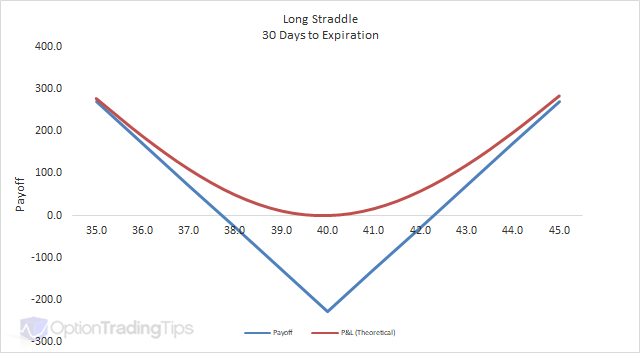
Long Straddle →
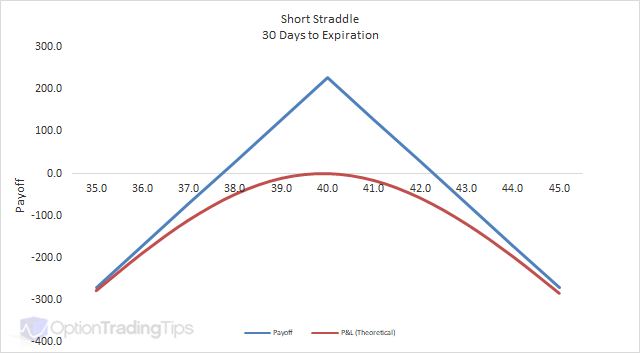
Short Straddle →
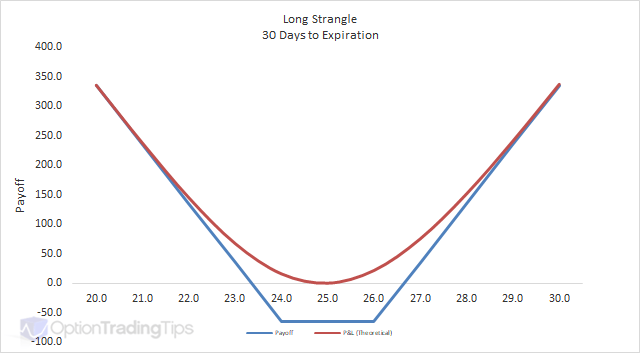
Long Strangle →
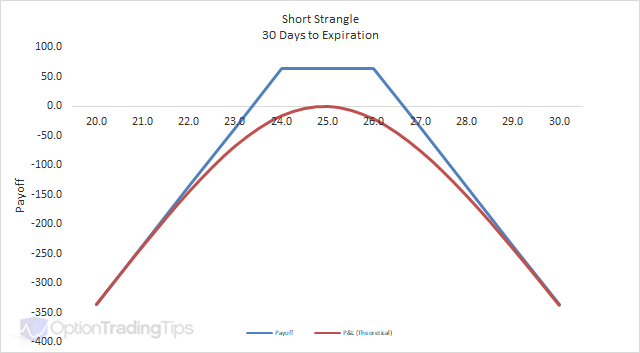
Short Strangle →
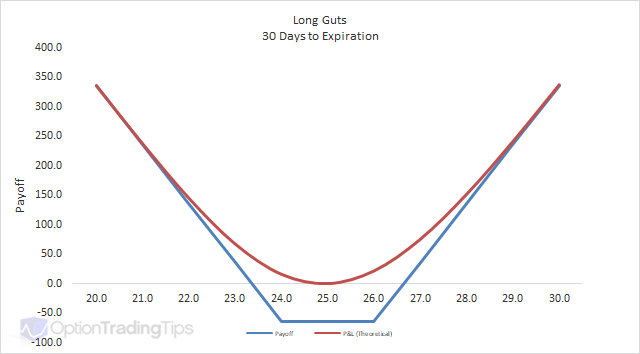
Long Guts →
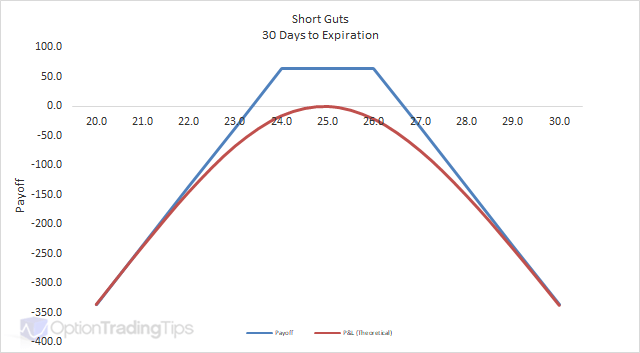
Short Guts →
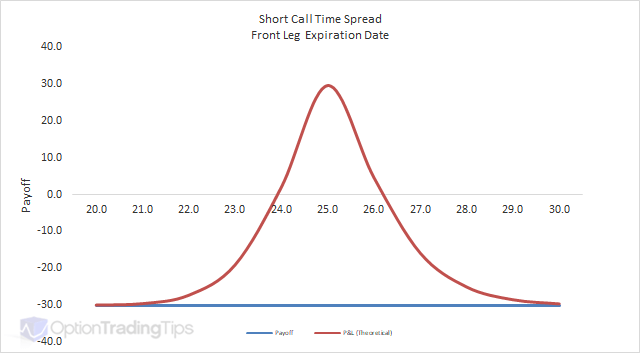
Call Time Spread →
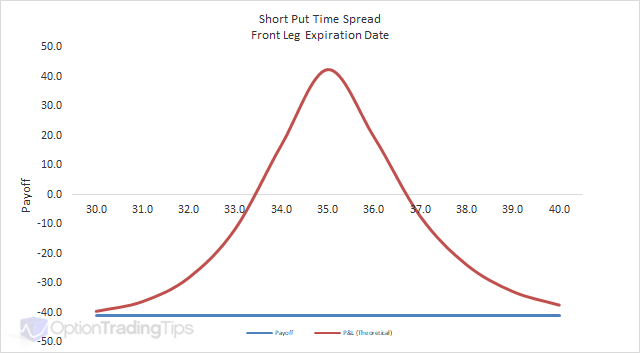
Put Time Spread →
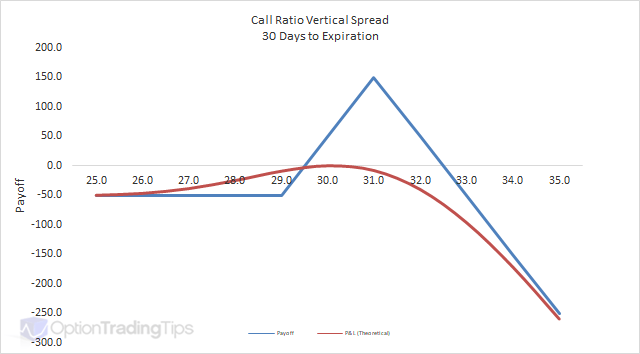
Call Ratio Vertical Spread →
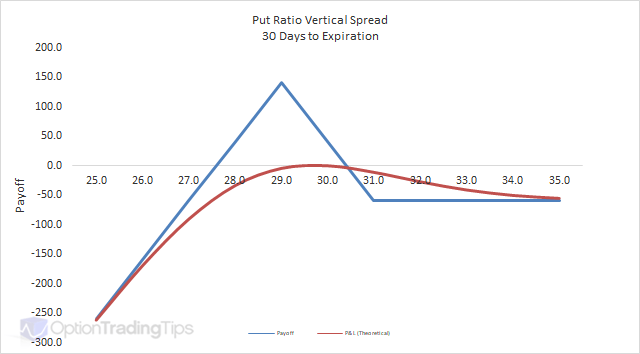
Put Ratio Vertical Spread →
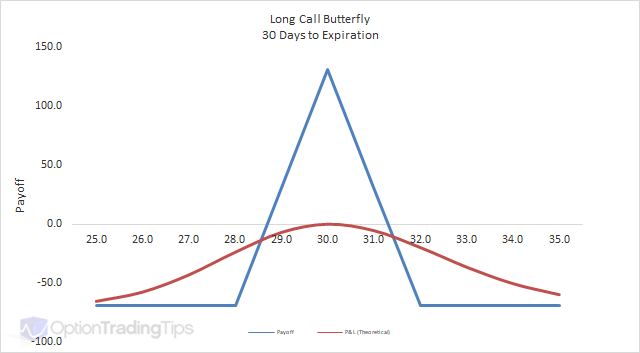
Long Call Butterfly →
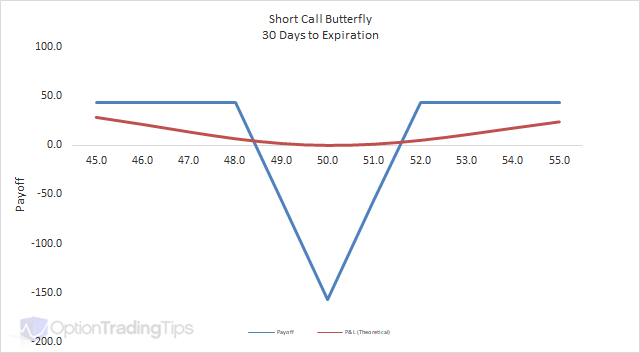
Short Call Butterfly →
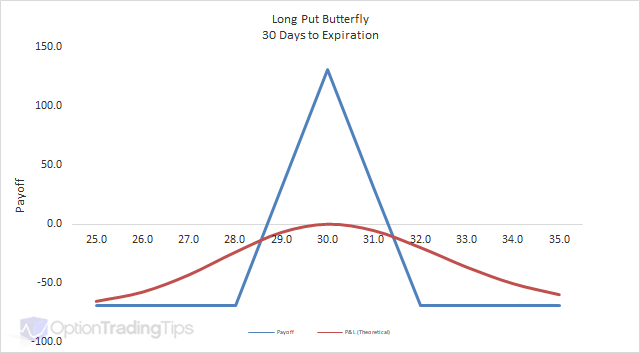
Long Put Butterfly →
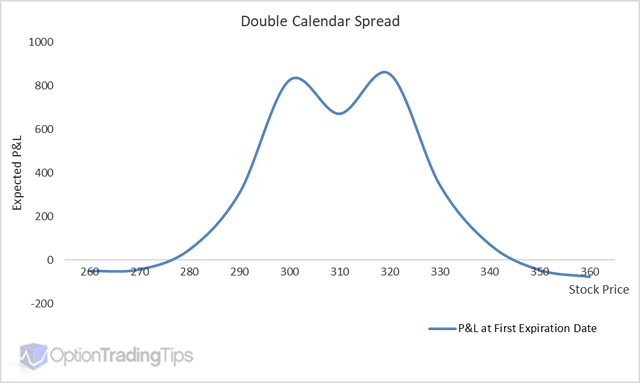
Double Calendar →
About Option Strategies
Generally, an option strategy involves the simultaneous purchase and/or sale of different option contracts, also known as an option combination. There is such a wide variety of option strategies that use multiple legs as their structure, however, even a one legged Long Call Option can be viewed as an option strategy.
But what if you bought a call and a put option at the same strike price in the same expiry month? How could a trader profit from such a scenario? This is called a Long Straddle — one of the most popular market neutral strategies.
In this example, imagine you bought 1 $40 July call option and also bought 1 $40 July put option. With the underlying trading at $40, the call costs $1.14 and the put costs $1.14 also — a total outlay of $228, which is your maximum loss.
If the market rallies, the call option becomes increasingly profitable while the put expires worthless. If the market sells off, the put becomes profitable while the call expires worthless. Either way, as long as the move is large enough to exceed the $228 cost, you profit.
This is just one example of an option combination. There are many different ways to combine option contracts together — and also with the underlying asset — to customise your risk/reward profile.
For further analysis tools, take a look at the Volcone Analyzer — it analyses any option contract and compares it against historical averages, helping you decide whether to buy or sell.
105 Comments
Peter September 29th, 2011 at 12:15am
You won't be able to roll over at the same price - if you want to keep a position in the same strike price, you will have to sell (buy) out of the front month contract and buy (sell) into the back month at the current market prices.
Ankur September 29th, 2011 at 12:00am
Thanks Peter. Further, if I need to rollover my position to next month, then do I need to pay some extra premium or can I rollover at the same price?
Thanks
Peter September 28th, 2011 at 6:04pm
Yes, exactly. You would close your position for a profit without having to wait until expiration to exercise the option.
Ankur September 28th, 2011 at 8:00am
Hi Peter,
Really good information on Options. I had one question - Suppose I buy a an option Call 5000 for Rs 30 whereas the index is at 4950. Within 2 hours, index moves to 4990 and option premium is Rs 35. Can I sell the contract now and earn Rs 5 per lot as profit though the index did not reach 5000?
Thanks
Peter September 18th, 2011 at 11:37pm
Risk-free? Me too, please let me know when you find such strategies ;-)
aparna September 18th, 2011 at 11:34pm
I want to learn risk-free option trading in Indian market. Suggest me some website for it.
NAGESH September 4th, 2011 at 11:30am
First time I found more information about options. Thanks a lot.
Peter August 3rd, 2011 at 5:55pm
Both futures and stocks have a delta of 1 so hedging with a future is much the same as hedging with a stock.
Raj baghel August 3rd, 2011 at 1:08am
is there any help for hedging in future with respect to call/put.
Peter August 1st, 2011 at 5:48pm
Please see the in-the-money page.
Add a Comment