Option Strategies
Combine calls and puts to construct specific price outcomes. Option strategies give you the flexibility to profit from rising, falling and directionless markets.
Bullish strategies
Profit from a Rising Market
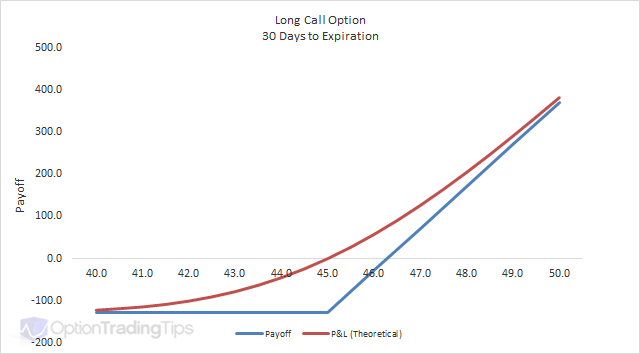
Long Call Option →
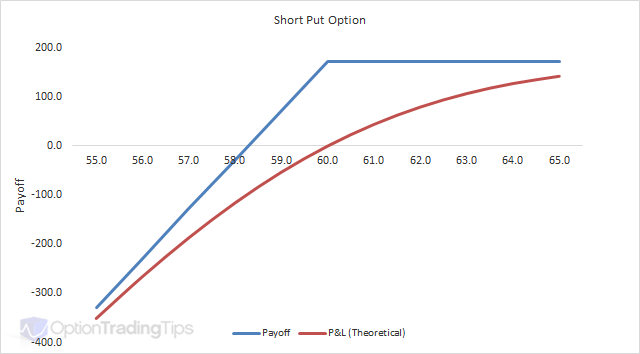
Short Put Option →
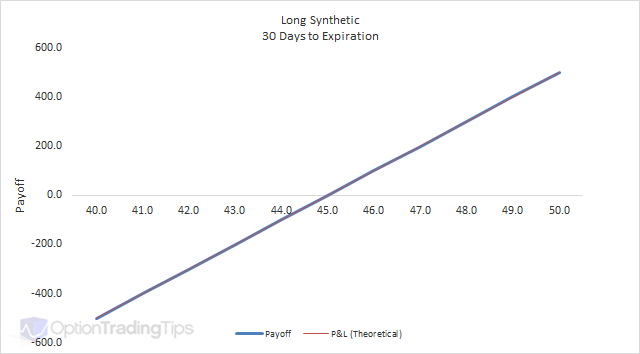
Long Synthetic →
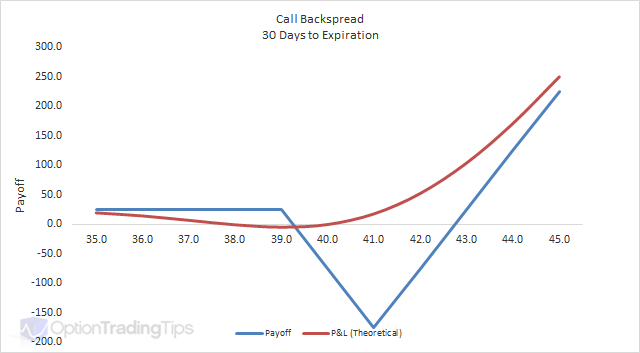
Call Backspread →
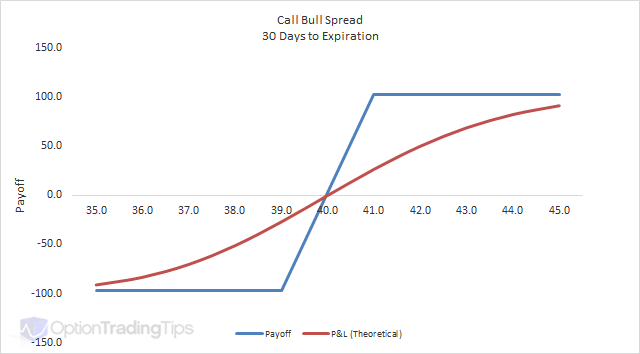
Call Bull Spread →
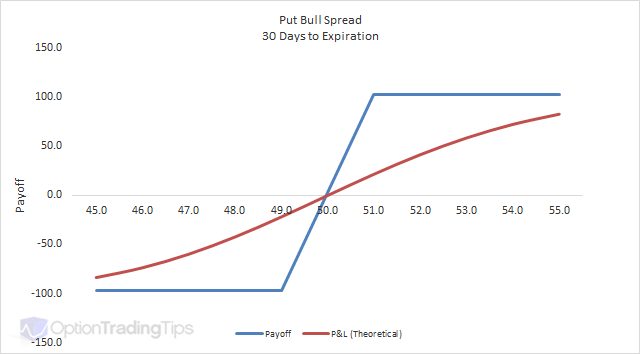
Put Bull Spread →
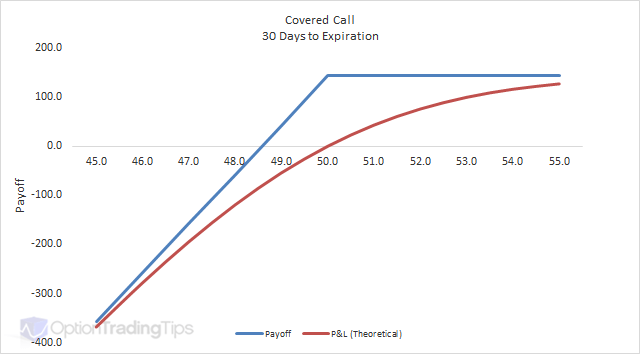
Covered Call →
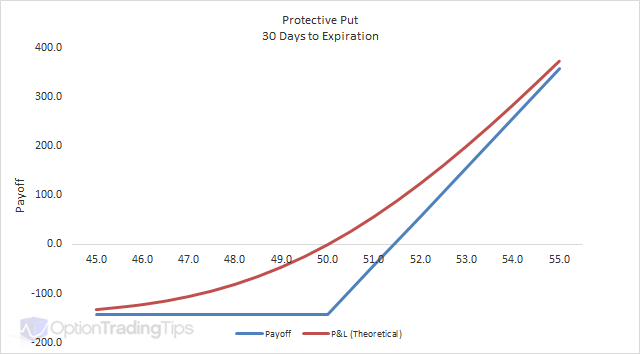
Protective Put →
Collar →
Bearish strategies
Profit from a Falling Market
Short Call Option →
Long Put Option →
Short Synthetic →
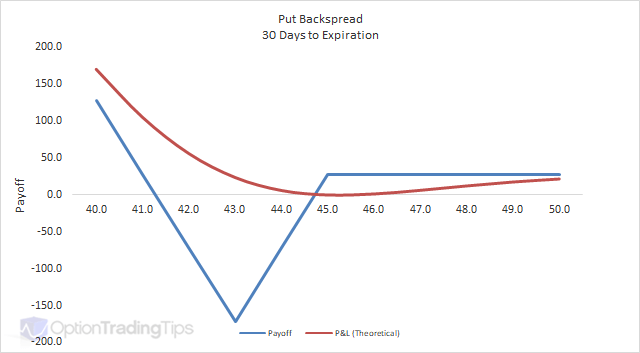
Put Backspread →
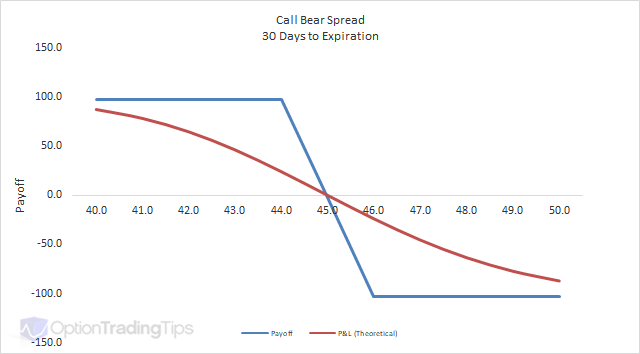
Call Bear Spread →
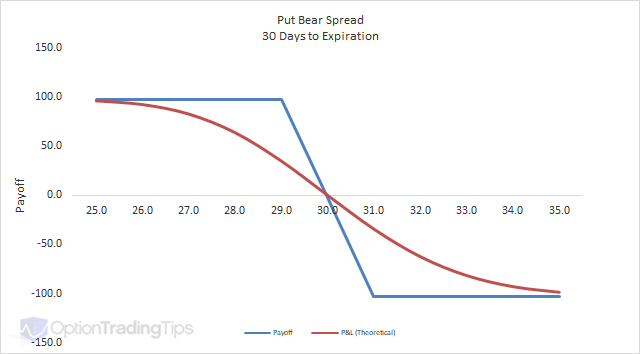
Put Bear Spread →
Market neutral strategies
Profit in a Sideways Market
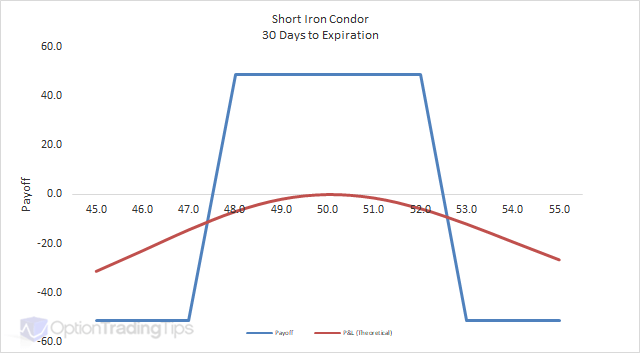
Iron Condor →
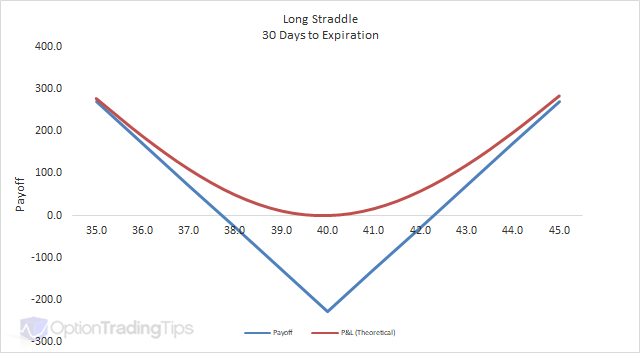
Long Straddle →
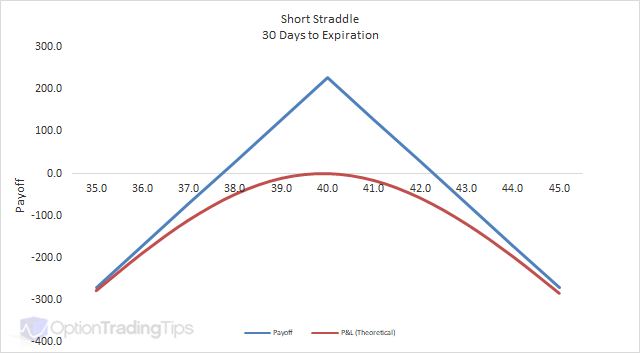
Short Straddle →
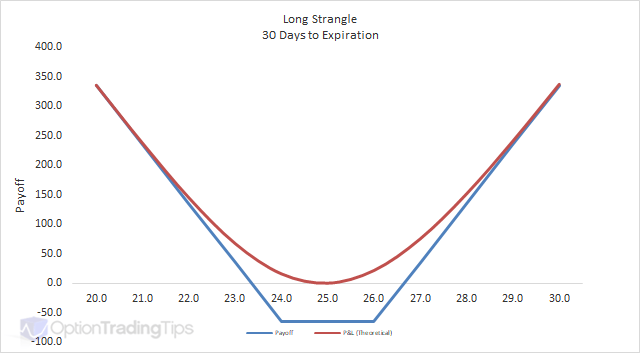
Long Strangle →
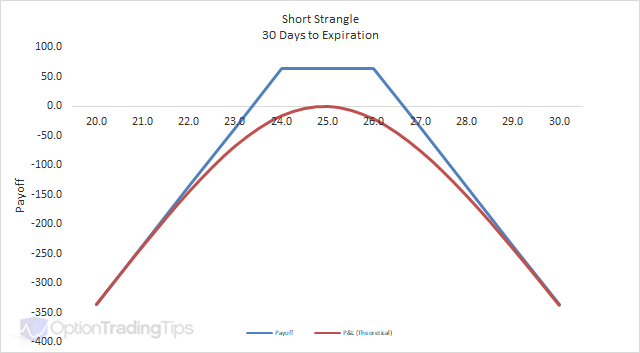
Short Strangle →
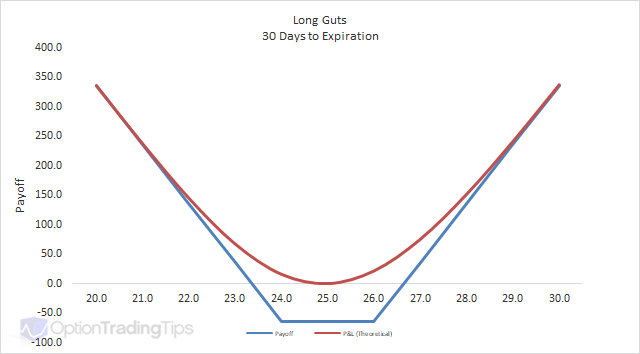
Long Guts →
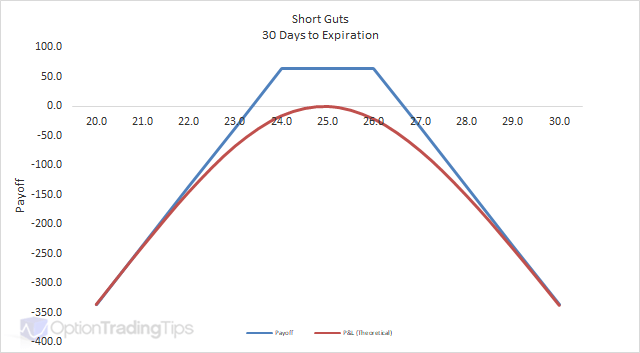
Short Guts →
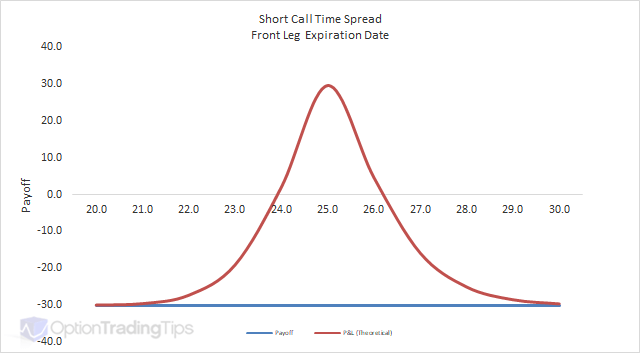
Call Time Spread →
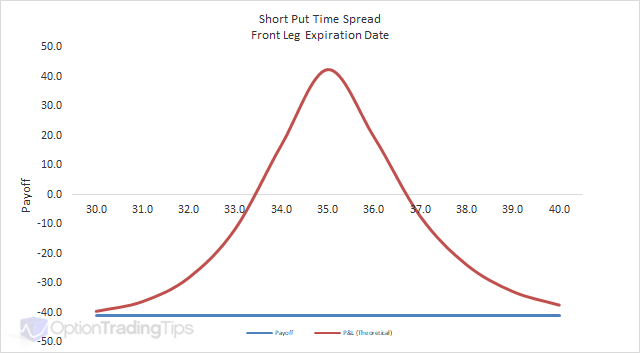
Put Time Spread →
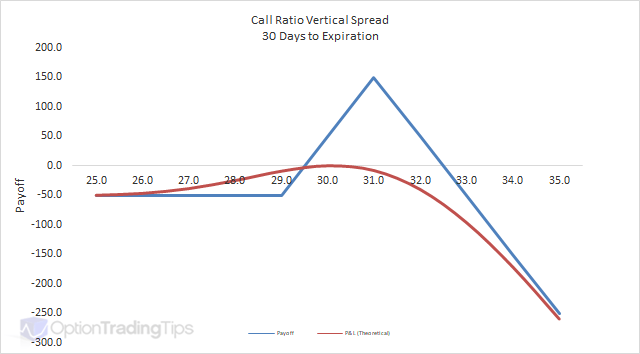
Call Ratio Vertical Spread →
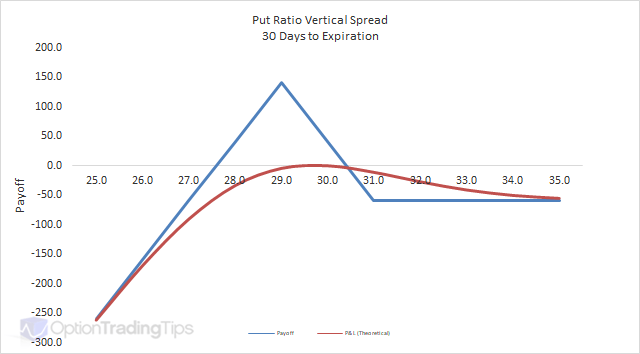
Put Ratio Vertical Spread →
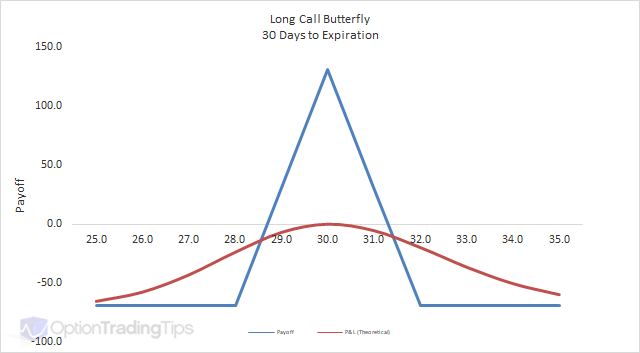
Long Call Butterfly →
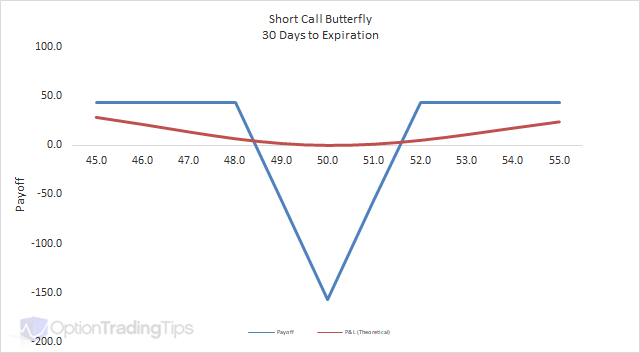
Short Call Butterfly →
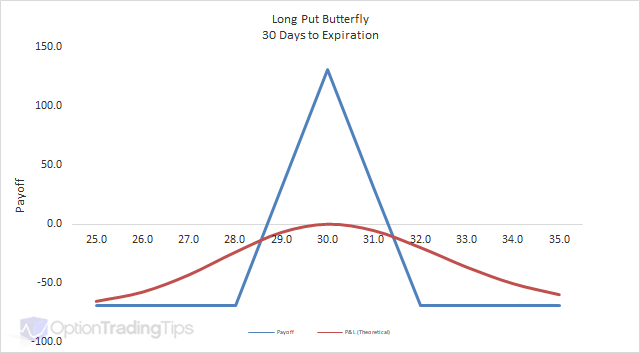
Long Put Butterfly →
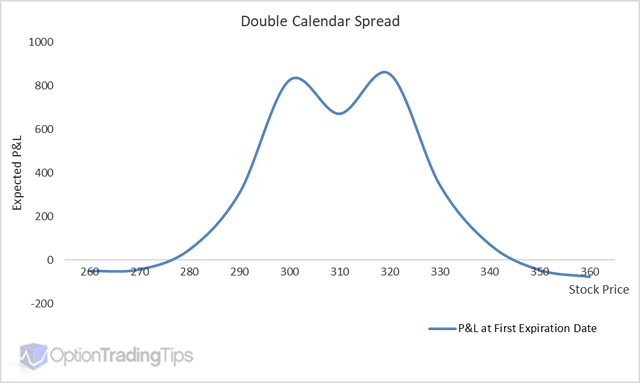
Double Calendar →
About Option Strategies
Generally, an option strategy involves the simultaneous purchase and/or sale of different option contracts, also known as an option combination. There is such a wide variety of option strategies that use multiple legs as their structure, however, even a one legged Long Call Option can be viewed as an option strategy.
But what if you bought a call and a put option at the same strike price in the same expiry month? How could a trader profit from such a scenario? This is called a Long Straddle — one of the most popular market neutral strategies.
In this example, imagine you bought 1 $40 July call option and also bought 1 $40 July put option. With the underlying trading at $40, the call costs $1.14 and the put costs $1.14 also — a total outlay of $228, which is your maximum loss.
If the market rallies, the call option becomes increasingly profitable while the put expires worthless. If the market sells off, the put becomes profitable while the call expires worthless. Either way, as long as the move is large enough to exceed the $228 cost, you profit.
This is just one example of an option combination. There are many different ways to combine option contracts together — and also with the underlying asset — to customise your risk/reward profile.
For further analysis tools, take a look at the Volcone Analyzer — it analyses any option contract and compares it against historical averages, helping you decide whether to buy or sell.
105 Comments
DAJB December 6th, 2010 at 3:38pm
Hi,
If one is using computational systems as an aid to decision making, then is there a source to receive streaming real time prices over the internet in a way which could be easily integrated into a system?
Thanks,
D
Peter October 31st, 2010 at 3:53am
Hi Anon,
Premium is the price of the option as it is traded in the market. Commissions (aka brokerage) are what you pay to your broker for executing your trade.
1. You would lose the premium plus any commissions paid to the broker, so $32.95
2. Depends on where the stock is in relation to the strike price. If you were very confident that the stock will not be above the strike price by the expiration date, then you would sell the option back at whatever price you could get and the loss would be $32.95 less (price sold for + $2.95).
3. You will only lose the premium paid (plus commissions) i.e. $32.95.
Hope this helps. Let me know if anything is unclear.
Anonymous October 29th, 2010 at 10:16pm
I am using Thinkorswim. I haven't seen about premium. So, I am wondering that what the differences between "premium" and "commission" are?
I bought long call GLD at 128 and expire Oct 2010, I got info from Thinkorswim; max profit = infinite, max loss = 30(not including possible dividend risk), cost of trade including commissions = 30+2.95 = 32.95.
My question are;
1. If the strike price expired Oct 31, 2010 is 125, how much would I loss (30 or 2.95 or 32.95)
2. Before the end of expiration, I thought that the market would go down. Which one should I pick between "sell it before expiration" or "do nothing in order to let it expired." How much does it cost of both of them?
3. If the strike price expired Oct 31,2010 is 130, what will happen if I do nothing and let it expired?
Thank you
Sam
Peter October 21st, 2010 at 4:21am
Depends on the country and what your main form of income is I'd say, whether the trade is treated as capital gains or income.
syrus October 21st, 2010 at 2:08am
What is the tax liablity of a option trading when option is exercised. whether it will be profitable after payment of commission to broker and tax. is there any safe net to safeguard profit
Peter October 18th, 2010 at 5:15pm
Yes, you can surely exit an option position by trading out of it prior to the expiration date.
Kartik October 18th, 2010 at 8:03am
This explaination talks about option in case of expiry but what in case of trade which takes place in between the expiry date.
Peter September 17th, 2010 at 2:26am
Hi Meghna, just because there are no bids out there doesn't mean there aren't any buyers. You can just enter a sell order into the market and if the price is right a market maker will take it.
Meghna September 17th, 2010 at 2:19am
Hi Peter, I know that i can reverse the position by selling in the same market. But in electronic trading generally bids are not available for deep ITM / OTM options, while in OTC market I can easily reverse the position by paying some what higher to the broker. Hence kindly clarify how to deel with such situation in e-trading like "Indian Nifty".
Peter September 15th, 2010 at 6:39am
Yep, you can just reverse the option position by selling the same option contract in the option market.
Add a Comment