Option Strategies
Combine calls and puts to construct specific price outcomes. Option strategies give you the flexibility to profit from rising, falling and directionless markets.
Bullish strategies
Profit from a Rising Market
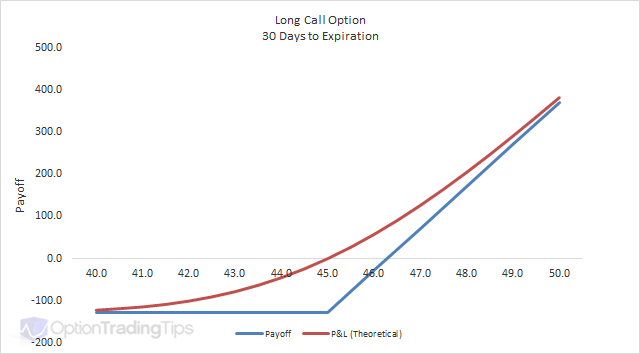
Long Call Option →
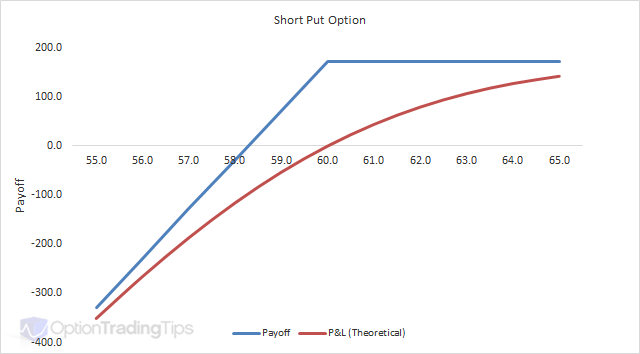
Short Put Option →
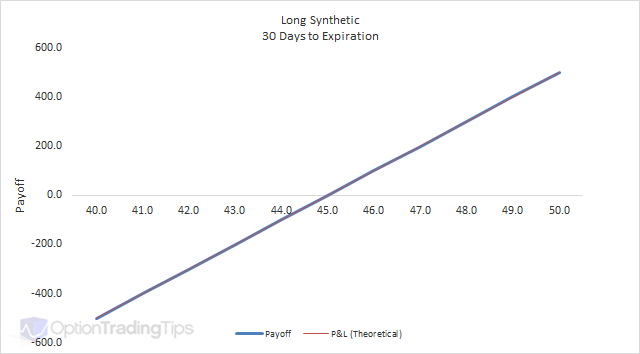
Long Synthetic →
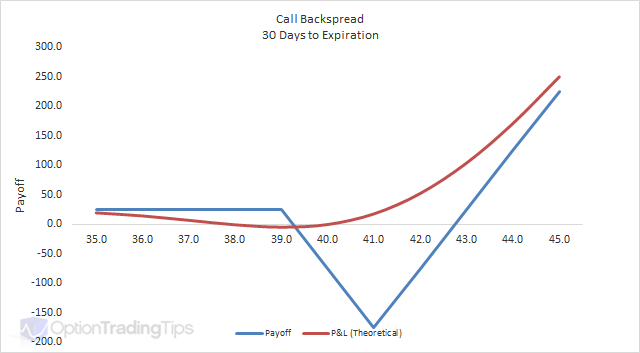
Call Backspread →
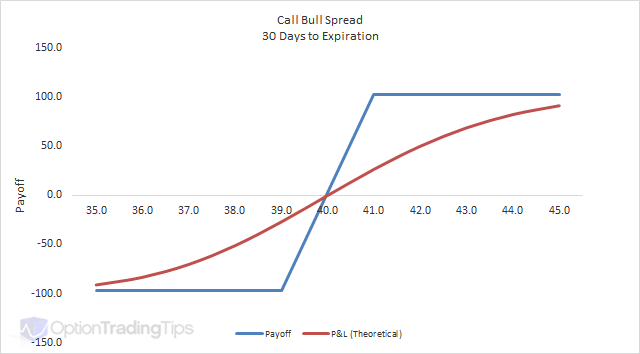
Call Bull Spread →
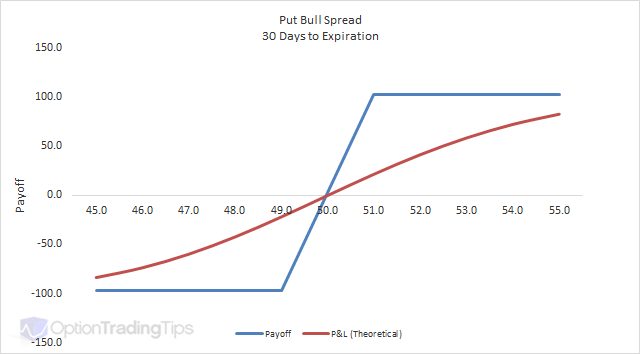
Put Bull Spread →
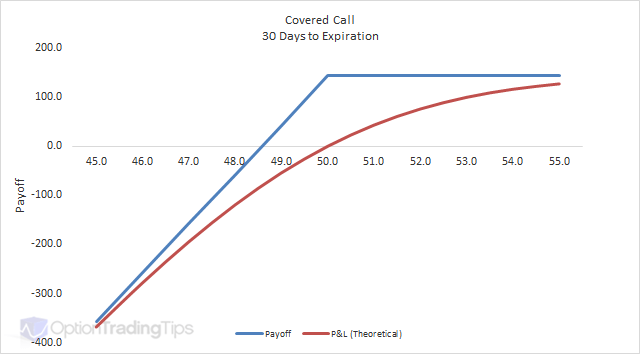
Covered Call →
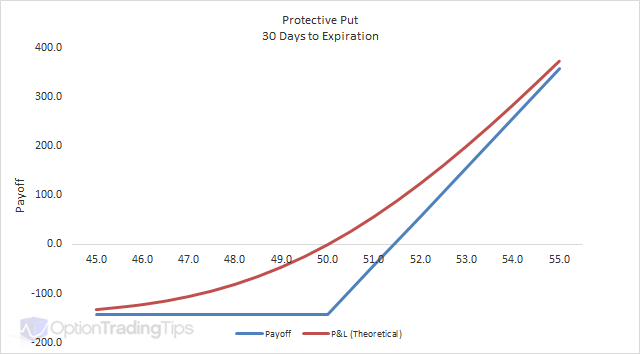
Protective Put →
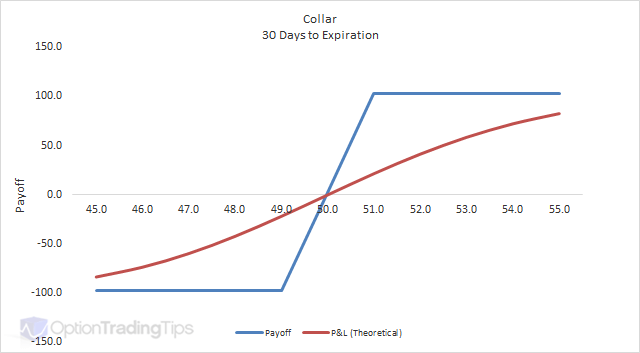
Collar →
Bearish strategies
Profit from a Falling Market
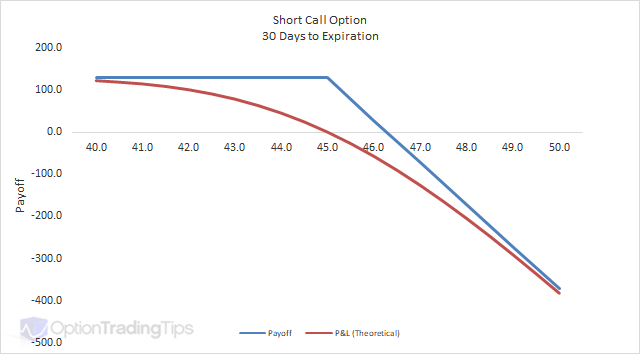
Short Call Option →
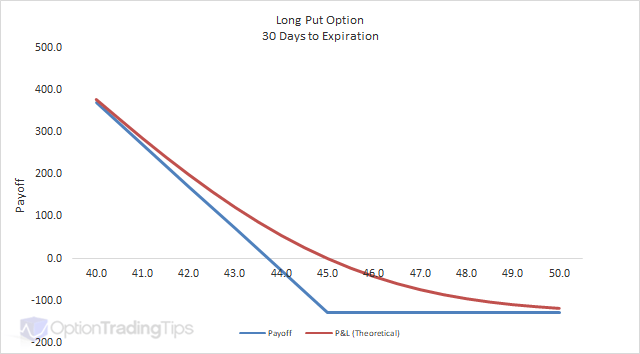
Long Put Option →
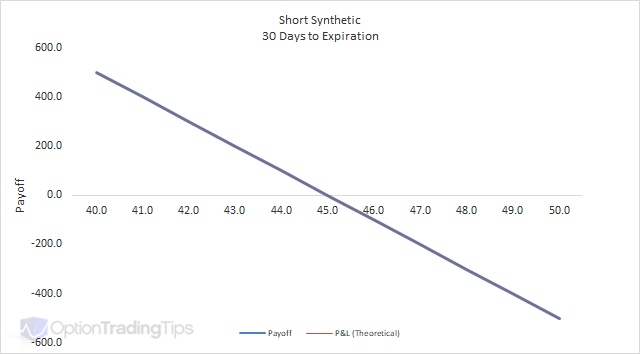
Short Synthetic →
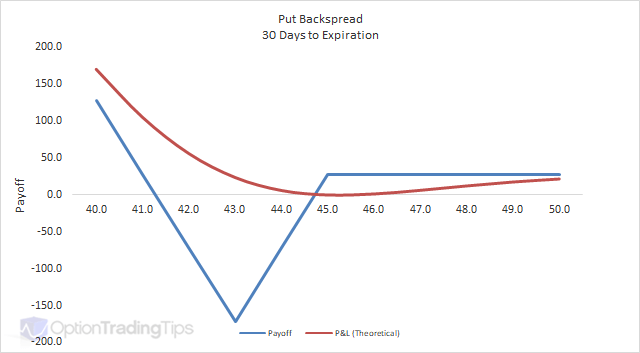
Put Backspread →
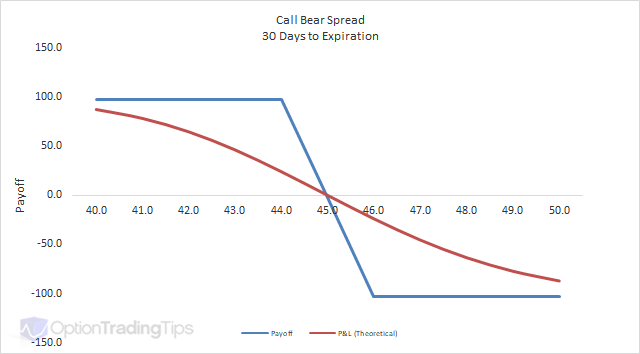
Call Bear Spread →
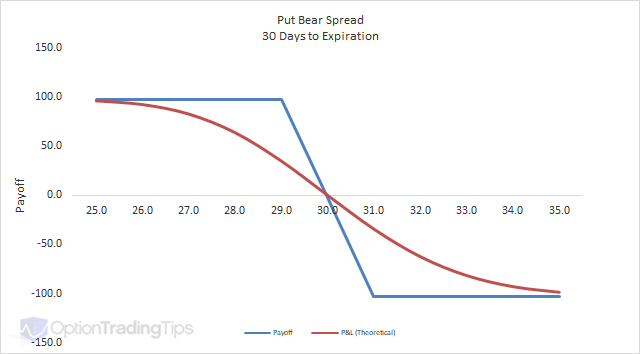
Put Bear Spread →
Market neutral strategies
Profit in a Sideways Market
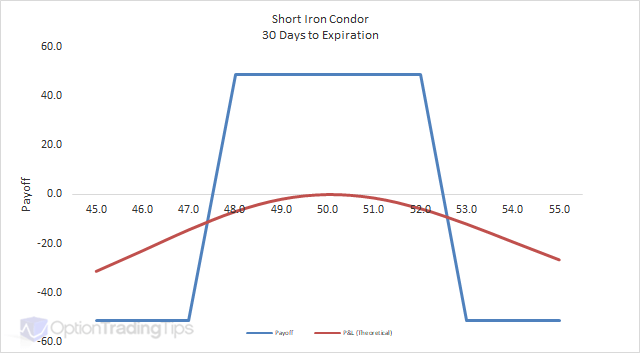
Iron Condor →
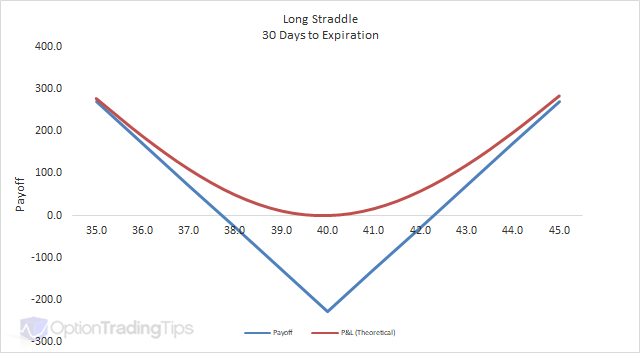
Long Straddle →
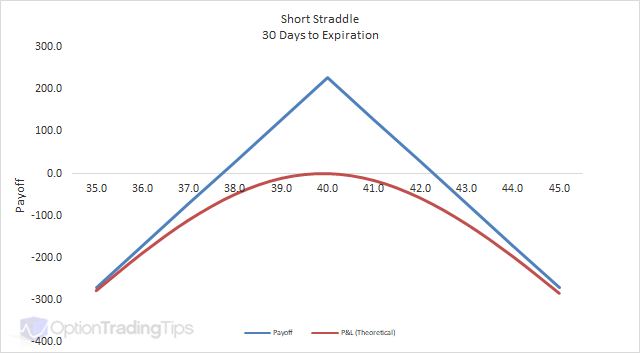
Short Straddle →
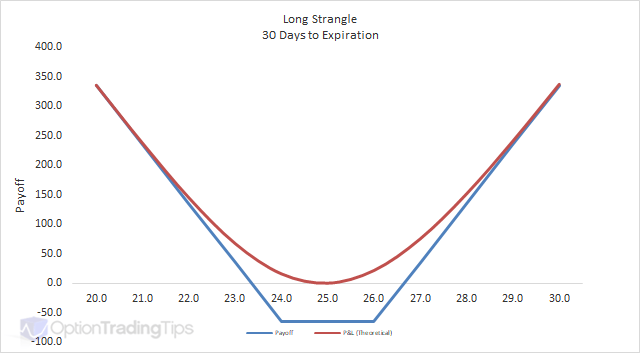
Long Strangle →
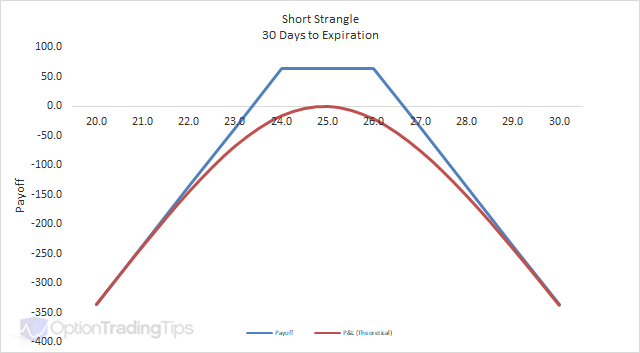
Short Strangle →
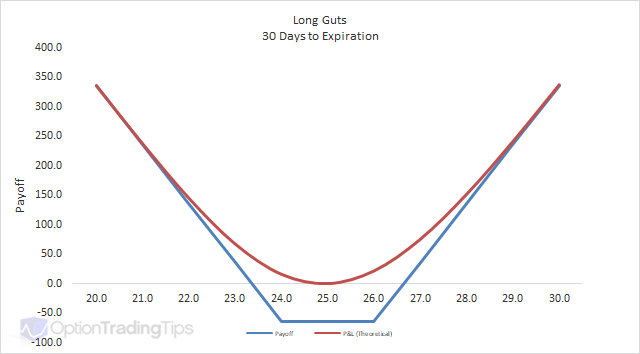
Long Guts →
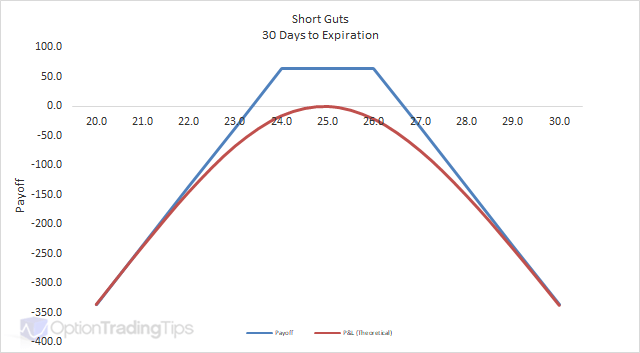
Short Guts →
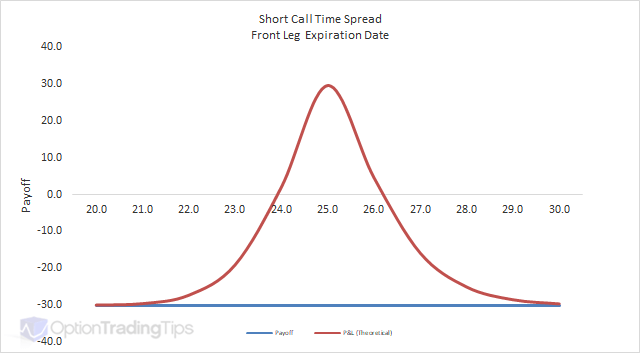
Call Time Spread →
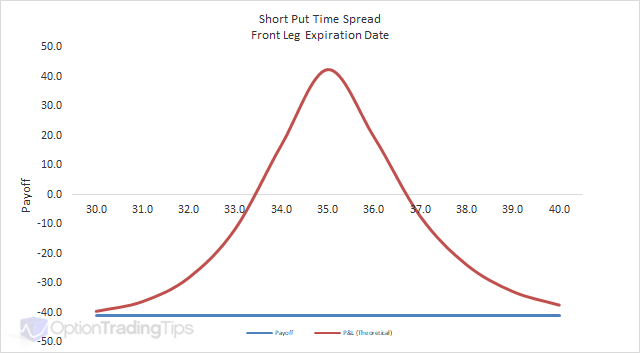
Put Time Spread →
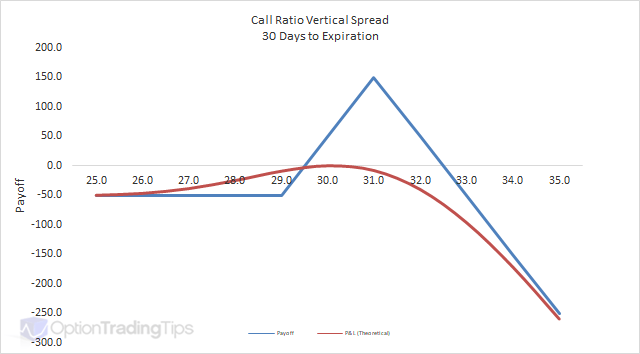
Call Ratio Vertical Spread →
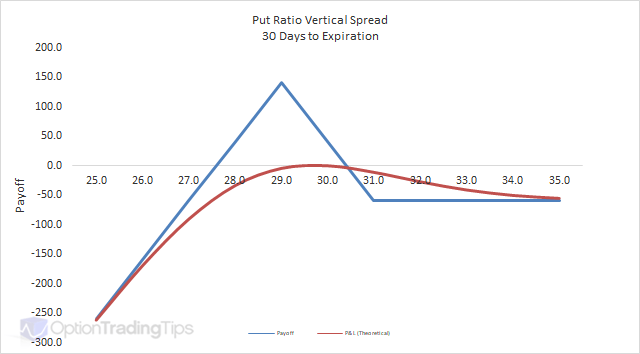
Put Ratio Vertical Spread →
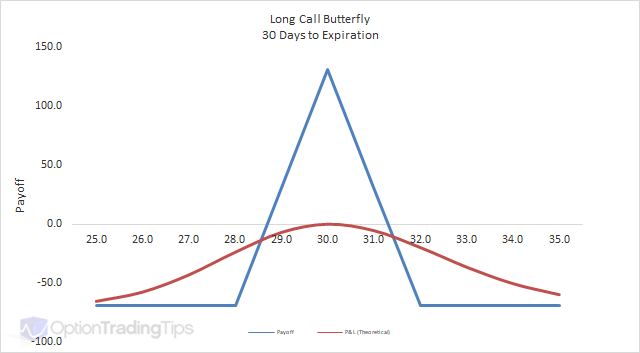
Long Call Butterfly →
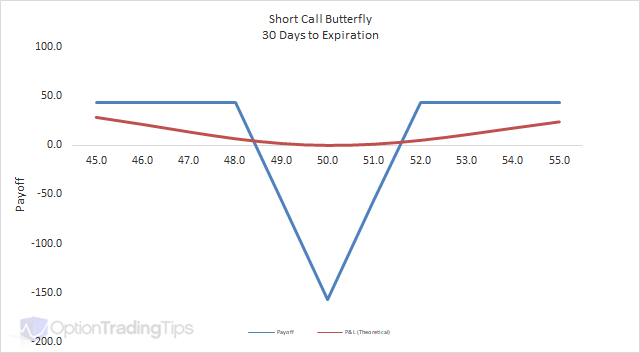
Short Call Butterfly →
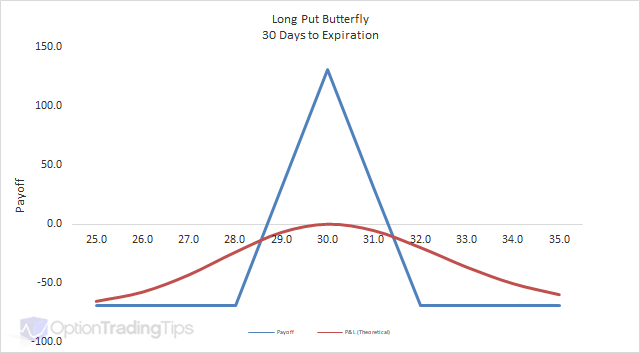
Long Put Butterfly →
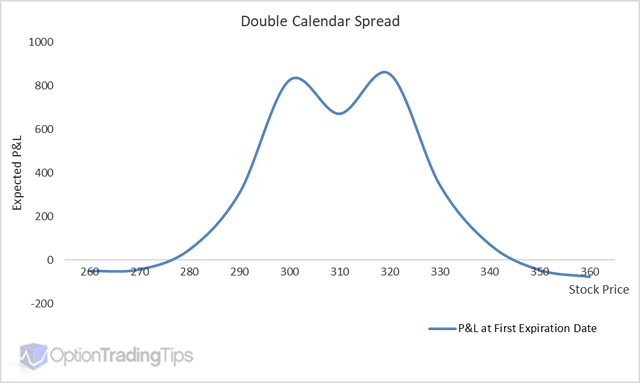
Double Calendar →
About Option Strategies
Generally, an option strategy involves the simultaneous purchase and/or sale of different option contracts, also known as an option combination. There is such a wide variety of option strategies that use multiple legs as their structure, however, even a one legged Long Call Option can be viewed as an option strategy.
But what if you bought a call and a put option at the same strike price in the same expiry month? How could a trader profit from such a scenario? This is called a Long Straddle — one of the most popular market neutral strategies.
In this example, imagine you bought 1 $40 July call option and also bought 1 $40 July put option. With the underlying trading at $40, the call costs $1.14 and the put costs $1.14 also — a total outlay of $228, which is your maximum loss.
If the market rallies, the call option becomes increasingly profitable while the put expires worthless. If the market sells off, the put becomes profitable while the call expires worthless. Either way, as long as the move is large enough to exceed the $228 cost, you profit.
This is just one example of an option combination. There are many different ways to combine option contracts together — and also with the underlying asset — to customise your risk/reward profile.
For further analysis tools, take a look at the Volcone Analyzer — it analyses any option contract and compares it against historical averages, helping you decide whether to buy or sell.
105 Comments
Peter February 12th, 2012 at 3:48pm
Hi Varun,
Do you mean selling a call and a put together at the same 130 strike price i.e. a short straddle?
If so, and the combined premium for this trade was 10, with the underlying now at 150, then;
Net premium received: +10
Short Put: worthless
Short Call: -2,000
Total: -1,990
With the stock at 150 you'll be assigned the stock at a price of 130 meaning an immediate loss of 20, which multiplied by the multiplier of 100 leaves you with a 2,000 loss for that leg of the position. Take away the premium already received and you're left with -1,990.
eh February 11th, 2012 at 3:48am
Short 1 lot, Strike Price 1050, Index CALL at 25
and
Short 1 lot, Strike Price 1100, Index PUT at 30
What is the risk in this strategy ?
Position held till expiry & automatically settled by exchange at iNDEX spot price on expiry day.
Varun February 10th, 2012 at 1:22am
Hi,
I am new to this and this site has been a big help ,
I wanted to clarify one thing .
Considering that i am bullish on the market and would like to take a profit from it
I sell a put call of a stock X with a strike price of 100 the stock is trading at 130 and i assume it will end close to 150
I will sell this
Put call
Spot = 130
Strike price Premium
100 10
Expected Price at expiry
150
so the person to whom i am selling would not be excecising his option and i would be able to make money.
Please do clarify whether this is possible or not
danielyee December 22nd, 2011 at 7:08am
Peter
If I buy a call e.g price $50 if the market start at 9.30 then suddenly drop is this mean all my money gone?
Peter December 21st, 2011 at 3:52pm
You should be able to see the last price - even if the market is closed.
danielyee December 21st, 2011 at 4:38am
Thanks and when I click e.g AAPL per contract value N/A
Does this mean I need to wait until market open to see the price?
Peter December 20th, 2011 at 5:05pm
You can take a look at the option prices on Yahoo.
danielyee December 20th, 2011 at 5:15am
Peter
I'm a new guy here...can you teach me where I can see if I want to buy e.g AAPL option trading per contract how much? Thanks.
Peter December 18th, 2011 at 3:52pm
Yes.
Jorge December 16th, 2011 at 4:35pm
Peter,
What if I sell 5000K put on the day of expiration of the contract and the stock does not move significantly in value to exercise the contract for who ever bought it.
Do I get to keep the commission?
Add a Comment